

Your loved one is in the hospital
Do you know what to watch for? Do you know what to say? Do you know when to speak up?
SafeGuard Health gives patients and families the knowledge, tools, and confidence to navigate every stage of a hospital stay — and speak up before something goes wrong.
Every family deserves to feel confident — not lost — when someone they love is in the hospital.
But the reality for most families looks like this:
– You're standing in a hospital room watching monitors and have no idea what the numbers mean.
– A nurse mentions something concerning and then walks out before you can ask a question.
– Your gut tells you something isn't right — but you don't know if you're overreacting.
– A doctor uses terms you don't understand and you nod along because you don't want to seem difficult.
– Your loved one is being discharged and you have no idea what to watch for at home.
– You wish someone had told you what to do before any of this happened.
You are not alone. And this is not your fault.
Nobody teaches families how to navigate a hospital stay. Healthcare is complex, fast-moving, and often overwhelming. But families who know what to ask, what to watch for, and when to speak up consistently get better outcomes for their loved ones.
WHY THIS MATTERS
Preventable harm is still happening in hospitals every single day.
1 in 10
hospitalized patients experiences a preventable adverse event.
6-24 hours
before a crisis, the body gives visible warning signs that a prepared family can help catch.
The families who catch early warning signs, ask the right questions, and know when to escalate — those families change outcomes. Not because they have medical degrees. Because they have knowledge.
That knowledge is exactly what SafeGuard Health provides.
WHAT YOU'LL LEARN:
Seven modules. Everything a family needs — before, during, and after a hospital stay.
SafeGuard Health is a nurse-designed, step-by-step learning program built specifically for patients and the people who love them. No medical background required.
Introduction to Patient Safety: What Every Family Needs to Know
– Understand why hospital errors happen — and why informed families reduce them
– Learn the difference between medical errors, complications, and unavoidable outcomes
– Discover the single most important role you play in your loved one's safety
– Know your rights as a patient and family member from day one

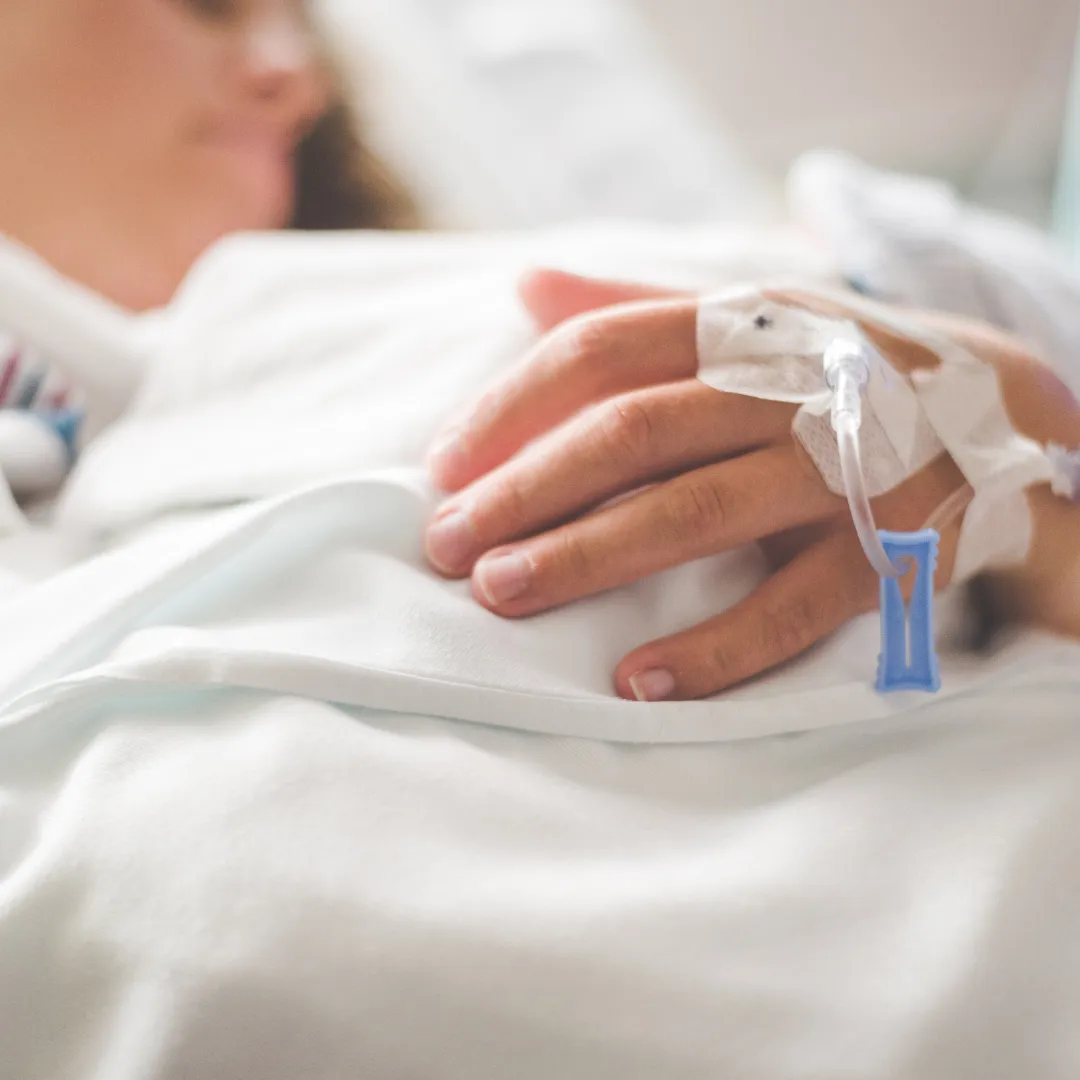
Module 1 — Before You Go: Preparing for Your Hospital Stay
– Get organized before you arrive—what medical records, medications, and documents to bring
– Ask the right questions ahead of time so there are no surprises during your stay
– Understand your care plan, procedures, and who will be responsible for your care
– Set yourself up for a safer experience with simple, proactive steps you can take before admission
Module 2 — Communication & Self-Advocacy: How to Be Heard
– Build the confidence to ask questions without feeling like you're being difficult
– Know exactly what to say when you feel dismissed or unheard
– Learn the escalation pathway: from nurse to charge nurse to rapid response
– Master the four-step framework for clearly communicating a concern to any member of the care team


Module 3 — When Something Feels Wrong: Recognizing Early Warning Signs
– Learn the early warning signs that appear hours before a clinical crisis
– Understand why your loved one's personal baseline matters more than textbook norms
– Know exactly what to say when you notice a change — even a subtle one
– Practice the three questions every family should ask on every shift
Module 4 — Protect Yourself: Infections, Equipment & Hospital Risks
– Understand the most common hospital-acquired infections and how they spread
– Learn simple, effective ways to reduce infection risk during your stay
– Know what to watch for with medical equipment, lines, and devices
– Take control of your environment by ensuring cleanliness and speaking up about safety concerns


Module 5 — Medication Safety: What You Must Verify
– Learn which medication errors are most common — and how to prevent them
– Know the five questions to ask before any new medication is given
– Build and maintain a complete medication list that travels with your loved one
Understand dangerous drug interactions and who to call when something seems wrong
Module 6 — Surgery Safety: Before, During & After the OR
– Know what to verify before your loved one enters the operating room
– Understand the "time out" procedure and your right to confirm it happened
– Learn what post-surgical warning signs require immediate attention
– Get a complete pre-surgical checklist — including questions most families forget to ask

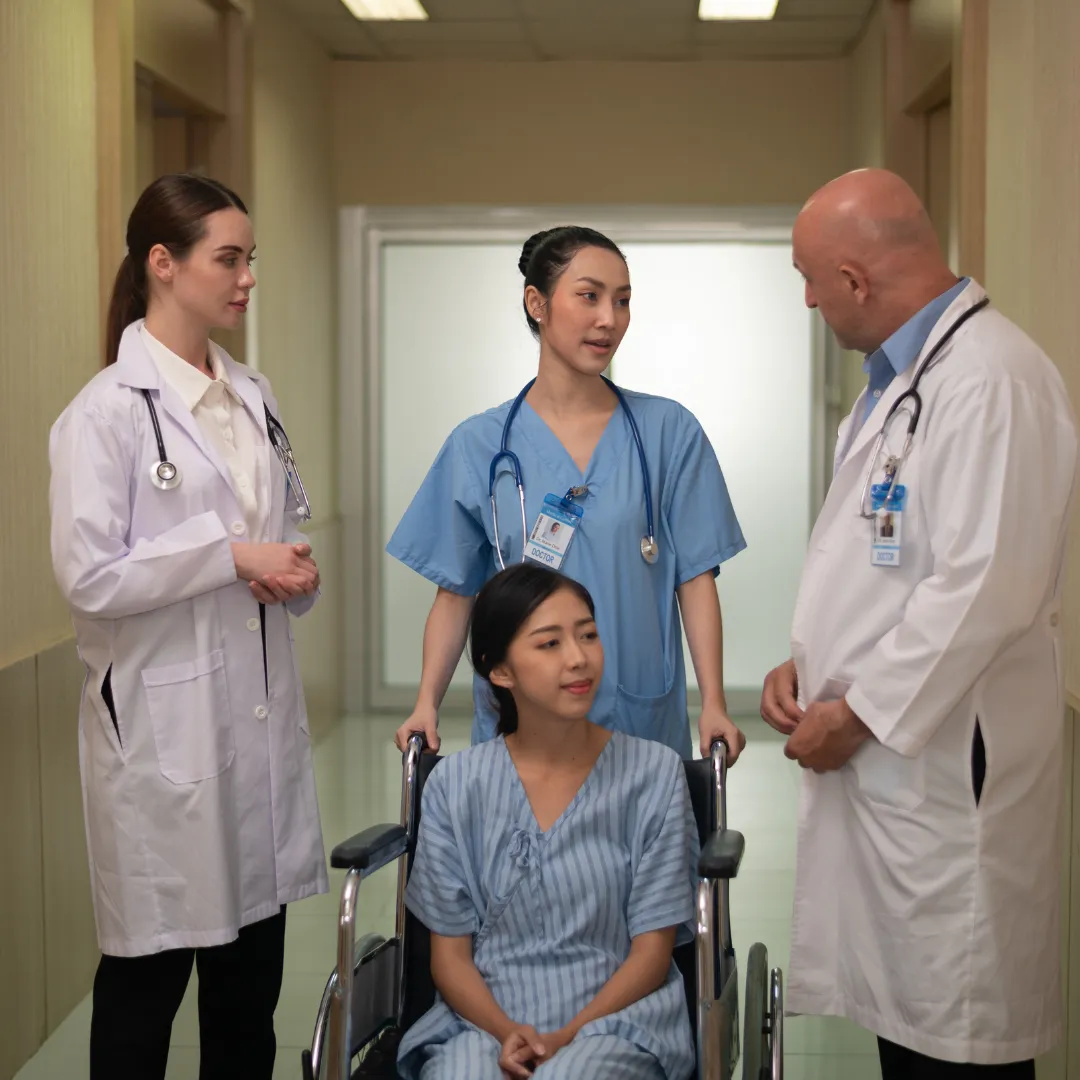
Module 7 — Safe Hospital Discharge: Going Home Without Going Back
– Know the four questions you must ask before leaving the hospital
– Understand exactly which symptoms mean 'go back now' vs. 'call the doctor'
– Build a complete home care plan with your care team before discharge day
– Learn why the 30 days after discharge are the highest-risk period — and how to navigate them
Plus — when you join SafeGuard Health:
– Direct access to Dr. Julie Siemers for real-time questions
– A community of families sharing experiences, insights, and support
– Downloadable checklists and guides for every stage of hospitalization
– Regular live Q&A sessions on the topics families ask about most
MEET YOUR GUIDE
Dr. Julie Siemers, DNP, RN

– 46 years clinical experience: critical care, flight nursing, nursing education leadership
– Doctor of Nursing Practice — Doctoral research on failure-to-rescue prevention
– IHI Certificate in Quality and Safety — National IHI presenter
– Author: Surviving Your Hospital Stay — A Nurse Educator’s Guide to Staying Safe
– Founder: Lifebeat Solutions — Patient Safety Standard™ Curriculum
I spent 46 years at the bedside — as a critical care nurse, a flight nurse, a nursing educator, and eventually as the person who trains the educators who train the nurses.
In that time, I watched thousands of patients receive excellent care. And I watched too many families stand helplessly at the bedside — not because they didn't care, but because no one had ever taught them what to watch for or what to say.
I built SafeGuard Health because I believe that every family deserves the knowledge I give my nursing students. Not a watered-down version. Not a pamphlet. The real thing — the clinical framework that saves lives, translated into language that every family can understand and use.
My doctoral research focused specifically on failure-to-rescue — the tragic gap between when a patient begins to deteriorate and when someone acts. That research, and four decades of clinical experience, is the foundation of every module in this program.
TESTIMONIALS
What others are saying
"Thank you, Dr. Siemers, for sharing your expertise in such a meaningful way! If you’re considering taking a course here, I highly recommend it you won’t regret it!"
- Demetrius Kirk, CEO, SMK Medical

"I think this is a really valuable resource that is applicable to both our practicing nurses regardless of experience level, specialty or years in the role. I also think that it would be very applicable to our student nurses in associate and bachelor's degree programs. Julie really breaks down concepts and encourages the participant to "think like a nurse". Her use of narrative storytelling helps to tie in the concepts, creates a more engaging experience and makes everything realistic and relevant to today's challenging clinical environments."
- Dr. Jennifer Martinez, Nursing Faculty
"Dr. Julie Siemers created a program that not only educates nursing students but provides information beneficial to experienced nurses. Lifebeat Solutions courses enhance knowledge creating safe practitioners. I loved the program and found it to be very informative and engaging. I highly recommend this program!"
- Dr. Mary Mitcheltree, Nursing Faculty
Start learning before you need it.
Join SafeGuard Health today
Start learning before you need it.
Questions? Contact Us: [email protected] | lifebeatsolutions.com