


The Patient Safety Standard- Nursing Competencies in
Patient Safety
Course Descriptions
Expert Conversations
on Patient Safety & Healthcare Leadership
Featured Podcast Episodes
This three-tiered training program equips both nursing students and healthcare professionals with the knowledge, judgment, and voice to prevent harm and lead safety at every level of care. From foundational bedside vigilance to high-stakes system navigation, each course translates evidence into everyday practice.
Level 1: Foundational Patient Safety Skills™
Foundational tools to build awareness, prevent harm, speak up, and shift culture.
Level 1 lays the groundwork every nurse needs to prevent harm in real-world practice. From recognizing early warning signs to understanding the root causes of common medical errors, these courses help new and early-career nurses strengthen their clinical judgment and confidence at the bedside.
Module 1. Recognizing & Responding to Deteriorating Patients
This module covers the most common and costly failures in nursing surveillance—failing to recognize signs of deterioration, delaying action, and miscommunicating urgency. This course trains nurses to detect changes early, act decisively, and escalate concerns clearly.
Module 2. The Nurse’s Role in Failure to Rescue
This module breaks down the 8 major nursing errors that lead to preventable harm, exploring the balance of clinical reasoning and clinical judgment. It frames the nurse as the last line of defense and offers strategies to fulfill that role reliably.
Module 3. Clinical Judgment and Risk Recognition
This module sharpens the nurse’s ability to detect early signs of deterioration by framing common conditions through a clinical lens: benign vs. pathological, chronic vs. acute, stable vs. unstable, expected vs. unexpected. This module helps learners recognize risk in real time—and act before it escalates.
Module 4. Nursing Primary Assessment Essentials
This module reinforces patient assessment as a core standard of care. Nurses learn systematic ABCDE and full-body assessment techniques to identify early deterioration, avoid common errors, and recognize subtle changes before they escalate — strengthening clinical judgment and reducing Failure to Rescue through consistent, high-reliability assessment practices.
Module 5. Mastering Vital Signs
This module trains nurses to move beyond recording numbers to recognizing early deterioration. Learners identify subtle vital sign trends, link changes to underlying physiology, and escalate care appropriately — reducing Failure to Rescue through faster recognition, stronger clinical judgment, and earlier lifesaving intervention.
Module 6. Neurological Assessment for Practicing Nurses
This module strengthens nurses’ ability to detect early neurological decline. Learners build confidence performing neuro checks, recognizing signs of stroke, rising intracranial pressure, and head trauma, and responding decisively to prevent irreversible injury — reducing Failure to Rescue through faster recognition and timely escalation.
Module 7. Pain Assessment: The Fifth Vital Sign
This module advances pain assessment beyond comfort, emphasizing unusual pain as a critical red flag for serious pathology. Nurses learn to interpret pain patterns, link them to underlying conditions, and escalate concerns appropriately — strengthening assessment as a standard of care and supporting early intervention to prevent Failure to Rescue.
Module 8. Understanding Critical Laboratory Values
This module equips nurses to interpret and act on critical lab results that signal patient deterioration. Learners recognize dangerous trends in electrolytes, ABGs, hematology, and endocrine markers, connect values to underlying physiology, and initiate timely escalation — strengthening clinical judgment and reducing Failure to Rescue through data-driven decision-making.
Module 9. Fluid Balance & Nutrition for Nurses
This module strengthens nurses’ ability to manage fluid and nutritional status as core elements of patient stability. Learners recognize dangerous fluid shifts, electrolyte imbalances, and nutritional deficits, link them to clinical deterioration, and intervene early — reducing Failure to Rescue through proactive assessment and timely physiological support.
Module 10. Monitoring Perfusion in Nursing Practice
This module trains nurses to assess and protect perfusion as a core indicator of survival. Learners identify early signs of shock, evaluate tissue oxygenation using clinical and hemodynamic tools, and respond to perfusion failure before irreversible damage occurs — reducing Failure to Rescue through faster recognition and targeted intervention.
Module 11. Communication in Nursing Practice
This module elevates communication as a core clinical safety skill. Nurses learn structured tools like CUSS, strategies to overcome authority gradients, and patient-centered language that prevents errors and delays. By strengthening clinical escalation and team communication, this module reduces Failure to Rescue and protects both patients and nurses.
Module 12. Patient & Family Engagement & Shared Decision-Making
This module equips nurses to partner with patients and families as active participants in care and risk recognition. Learners strengthen communication, teach safety awareness, and involve families in decision-making — enhancing early detection of deterioration and reducing Failure to Rescue by expanding the patient safety team beyond the bedside.
Level 2: Error-Proof Nursing Practice™
Prevent common nursing practice breakdowns and embed safer systems.
Level 2 shifts the nurse’s focus from reactive problem-solving to proactive safety architecture. It helps nurses recognize hidden vulnerabilities in systems, understand why errors recur, and adopt practices that make harm far less likely in everyday care.
Module 13. Medication Error Management
This module strengthens nurses’ ability to prevent, recognize, and respond to medication errors. Learners identify high-risk failure points, apply double-check systems, educate patients, and use root cause analysis to reduce harm — protecting patients through safer medication practices and interruption of error chains.
Module 14. Documentation Errors & Patient Data Communication
This module trains nurses to create accurate, timely, and legally defensible documentation. Learners understand how poor charting leads to patient harm, communication failure, and liability — and develop strategies to ensure clinical findings, communication, and decisions are clearly recorded to support safe care and continuity.
Module 15. Nursing Surveillance, Attentiveness & Vigilance
This module defines surveillance as the backbone of patient safety. Nurses learn how to prioritize subtle cues, recognize early deterioration, and intervene before crises occur — building sustainable vigilance without burnout and reducing Failure to Rescue through intentional, moment-to-moment clinical awareness.
Module 16. Mastering Clinical Reasoning & Clinical Judgment
This module bridges the gap between data collection and decisive action. Nurses learn to interpret ambiguous findings, manage uncertainty, and make safe decisions in complex situations — strengthening clinical reasoning to prevent delayed intervention and reduce Failure to Rescue across all care settings.
Module 17. Preoperative Surgical Care
This module prepares nurses to ensure pre-operative safety through risk stratification, consent verification, site confirmation, and checklist compliance. Learners prevent surgical delays, errors, and wrong-site events by strengthening pre-procedure vigilance and communication — protecting patients before harm occurs.
Module 18. Nursing Role in Harm Prevention
This module empowers nurses to prevent common hospital-acquired harms, including falls, pressure injuries, and infections. Learners apply evidence-based prevention strategies across care settings and transitions — strengthening frontline leadership in harm reduction and advancing the mission of Zero Patient Harm.
Module 19. Sepsis & Healthcare-Associated Infections
This module equips nurses to detect early sepsis and interrupt infection transmission. Learners recognize subtle signs of deterioration, initiate timely protocols, and strengthen infection-prevention practices — reducing Failure to Rescue and improving outcomes through early intervention and system-level safety action.
Module 20. Interventions for Enhanced Patient Safety
This module trains nurses to apply human factors principles, risk stratification, and behavioral safety strategies in daily practice. Learners build safer routines, recognize system vulnerabilities, and reduce error likelihood — strengthening reliability and resilience in patient care environments.
Module 21. Interpretation of Authorized Orders
This module clarifies nurses’ legal and clinical responsibilities when receiving, verifying, and implementing provider orders. Learners address ambiguous, incomplete, or unsafe orders through proper clarification and documentation — preventing medication and treatment errors that contribute to patient harm.
Module 22 Professional Responsibility & Patient Advocacy
This module builds nurses’ capacity for ethical decision-making and patient advocacy. Learners develop moral courage, boundary awareness, and escalation strategies to speak up for safety — strengthening professional accountability and reducing harm through decisive, patient-centered action.
Module 23. Mandated Reporting in Nursing
This module prepares nurses to recognize abuse, neglect, and unsafe conditions requiring mandatory reporting. Learners understand legal obligations, documentation practices, and escalation pathways — protecting vulnerable patients through timely reporting and reinforcing the nurse’s role in safeguarding human dignity.
Module 24. Health Literacy & Patient Education
This module equips nurses to deliver clear, effective patient education tailored to diverse language, literacy, and learning needs. Learners reduce misunderstanding, improve adherence, and strengthen patient engagement — preventing avoidable harm and supporting safer care transitions by ensuring patients truly understand how to participate in their own safety.
Level 3: Safe Practice in High-Stakes Nursing™
Accountability. Advocacy. Action when it matters most.
Level 3 equips nurses to take action in moments where clinical, legal, and ethical stakes are at their peak. From preventing catastrophic errors to managing acute crises and defending decisions in hindsight, these modules prepare nurses for the realities of modern care.
Module 25. Failure to Follow Nursing Standards of Care
This module defines nursing standards of care and how deviations lead to preventable harm and liability. Learners strengthen safe practice through case-based scenarios, protocol application, and strategies to hardwire standards into daily clinical workflows — reducing Failure to Rescue through consistent, high-reliability practice.
Module 26. Failure to Assess and Monitor a Patient
This module uses real-world case studies to demonstrate how inadequate monitoring leads to preventable deaths. Nurses learn structured surveillance, escalation protocols, and early recognition strategies — strengthening clinical vigilance and reducing Failure to Rescue through timely detection of patient deterioration.
Module 27. Failure to Act as Patient Advocate
This module reinforces the nurse’s ethical and legal duty to advocate when care is unsafe. Learners practice escalation scripts, decision pathways, and communication strategies to address unresolved concerns — strengthening moral courage and preventing harm caused by silence or system deference.
Module 28. Failure to Use Equipment in a Responsible Manner
This module builds competence in the safe use of healthcare equipment and devices. Learners identify risks associated with misuse, apply troubleshooting steps, and follow safety protocols — preventing device-related harm and reducing error-related adverse events in high-risk clinical environments.
Module 29. Medication Reconciliation & Discharge Planning
This module prepares nurses to ensure safe care transitions. Learners identify medication discrepancies, coordinate follow-up care, and strengthen patient understanding — reducing post-discharge complications and supporting continuity of care as a critical step in preventing Failure to Rescue.
Module 30. Postoperative Complications: Prevention & Management
This module prepares nurses to detect and respond to postoperative complications such as hemorrhage, pulmonary embolism, and acute kidney injury. Learners apply rapid assessment and intervention strategies — reducing Failure to Rescue by strengthening early recognition and timely bedside action.
Module 31. Nurse’s Role in Blood Transfusion Safety
This module trains nurses in transfusion safety across all phases of care. Learners perform critical safety checks, recognize transfusion reactions early, and escalate promptly — preventing catastrophic errors and strengthening patient monitoring during high-risk blood administration.
Module 32. Sentinel & Never Events
This module equips nurses to recognize, report, and help prevent sentinel and never events. Through root cause analysis (RCA) principles and safety culture training, learners strengthen error prevention — supporting system resilience and advancing the mission of Zero Patient Harm.
Module 33. Psychological Safety for Teams
This module develops skills to foster psychological safety and speak-up cultures. Nurses learn how to respond constructively to concerns, reduce authority gradients, and support safe communication — strengthening teamwork and preventing delayed interventions that contribute to Failure to Rescue.
Module 34. Error Reporting & Systems Improvement
This module links frontline error reporting to meaningful systems change. Learners gain skills in incident documentation, safety reporting, and quality improvement principles — turning errors into learning opportunities that strengthen organizational safety and prevent repeated harm.
Module 35. Managing Patient Aggression in Acute Care Settings
This module equips nurses with de-escalation strategies, personal safety techniques, and post-incident protocols for managing aggressive behavior. Learners enhance safety for patients and staff while reducing physical and psychological harm in high-stress clinical environments.
Module 36. Addressing Patient Suicide Risk in Acute Care
This module trains nurses in identifying suicide risk, conducting safety planning, and coordinating multidisciplinary care. Learners use evidence-based screening tools and escalation pathways — strengthening early intervention and protecting vulnerable patients through proactive behavioral health vigilance.
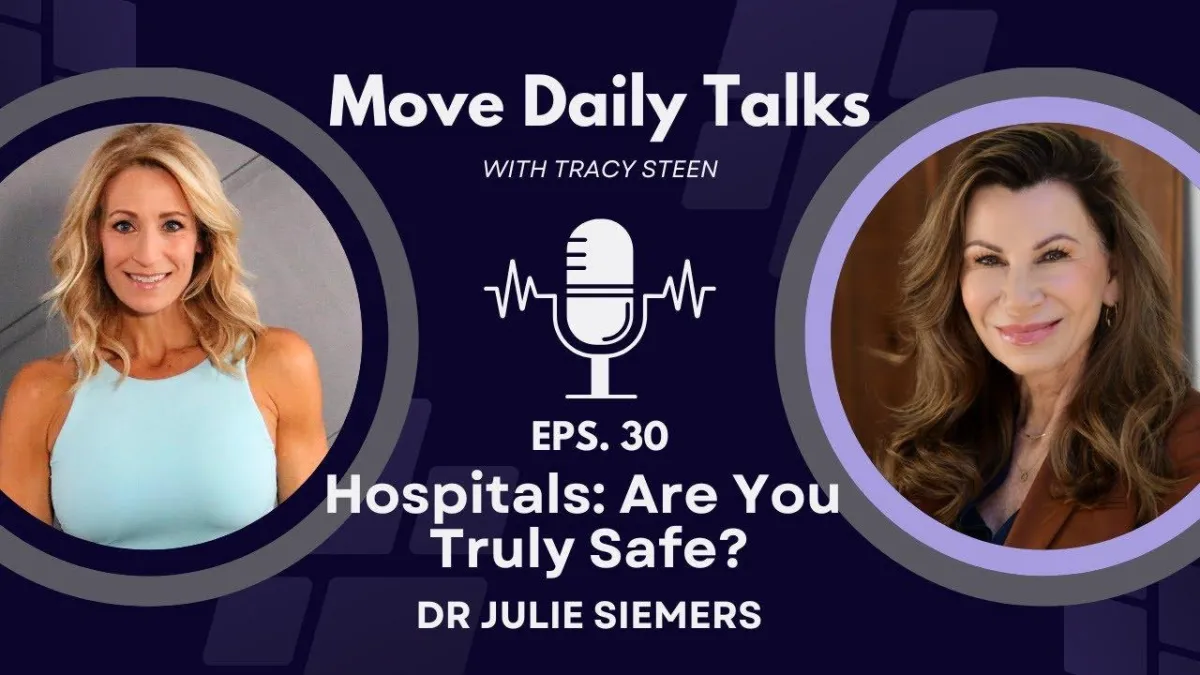
Hospitals - Are you Truly Safe? Dr Julie Siemers EPS 31
Move Daily Talks Podcast with Tracy Steen
Dr. Julie Siemers emphasizes the importance of advocating for oneself in hospitals, understanding healthcare systems, researching evidence-based treatments, and tracking personal health metrics to ensure informed and safe patient care.
She highlights preventing risks like healthcare-acquired infections through hand hygiene, understanding surgical procedures, and verifying medical staff qualifications to improve hospital safety.
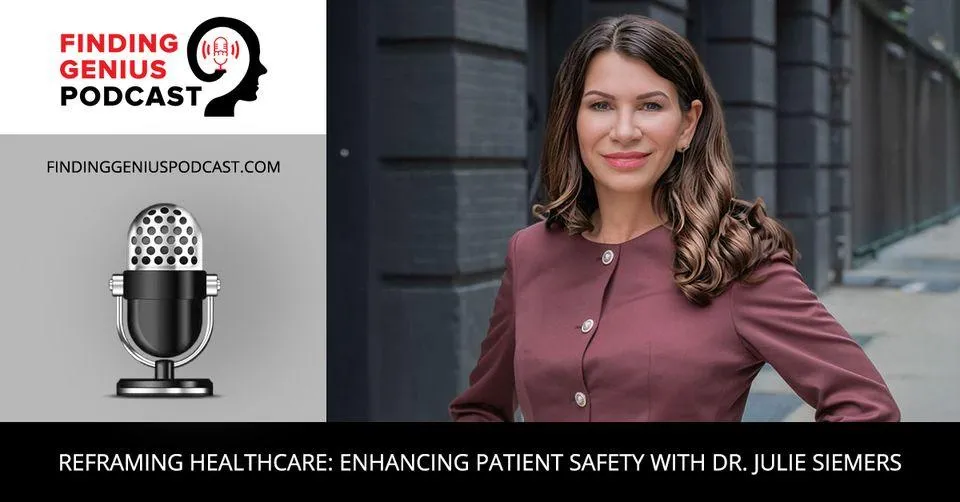
Finding Genius with Richard Jacobs
Dr. Julie Siemers shares her expertise in nursing and healthcare leadership to help patients and their families navigate the complexities of the medical system, emphasizing safety, advocacy, and proactive care during hospital stays.
The discussion highlights practical strategies from her book Surviving Your Hospital Stay, including tips on minimizing risks, asking the right questions, and ensuring clear communication with healthcare providers.
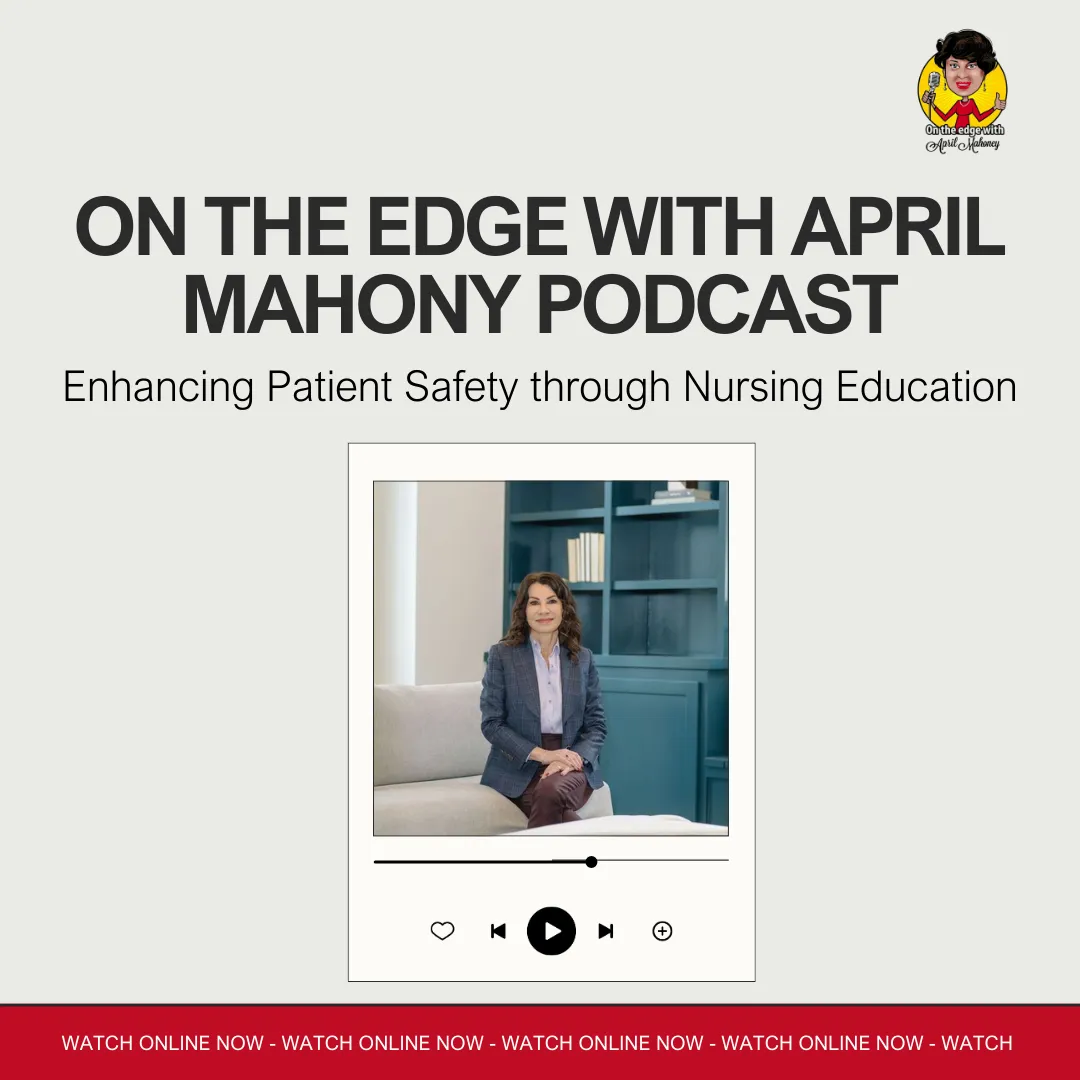
On the Edge with April Mahony
Dr. Siemers is on a mission to save 10,000 lives by empowering patients and their families to become confident advocates for their health, equipping them with the knowledge to ask the right questions, demand clear communication, and ensure quality care.
As a Leapfrog Certified Coach, Dr. Siemers specializes in guiding patients through the complexities of healthcare, from selecting providers and understanding medical jargon to navigating treatment options, while leveraging her expertise in the Leapfrog Hospital Survey.

Scaling her Empire Podcast with Jaime Parks
With a career spanning over four decades, Dr. Julie Siemers has evolved from a bedside nurse to a trailblazing educator and advocate, dedicating her work to improving patient safety and reducing preventable medical errors.
Combining her expertise in healthcare with innovative technology, Dr. Siemers is on a mission to empower both patients and professionals, revolutionizing education and advocacy in the healthcare field.

Sound Leadership with DJ
Dr. Julie Siemers, with over four decades of nursing experience, shares her leadership journey, emphasizing patient safety, quality care, and the importance of recognizing "failure to rescue" in healthcare, while pioneering its integration into nursing education
.
She highlights the value of empathetic decision-making, servant leadership, soft skills, and continuous self-evaluation, offering actionable insights for improving healthcare leadership and education.
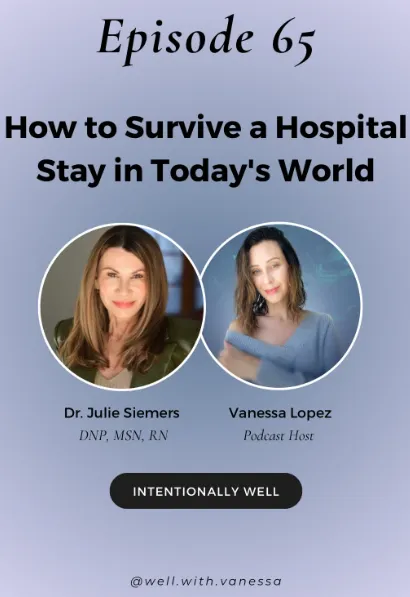
Intentionally Well with Vanessa Well
Dr. Julie Siemers, a nurse leader, educator, and author, discusses the challenges of today's hospital and critical care systems, emphasizing patient safety and advocacy based on her expertise and bestselling book, Surviving Your Hospital Stay.
The conversation highlights the importance of understanding healthcare realities and provides expert tips and resources to help individuals confidently navigate hospital stays for themselves or loved ones.
Unreasonable Health with Cade Archibald
Dr. Julie Siemers, a healthcare leader with over 40 years of experience, discusses her mission to reduce preventable harm in hospitals by addressing systemic issues like understaffing and communication failures, while empowering patients and providers.
She shares practical tips from her book Surviving Your Hospital Stay to help patients and families stay informed, proactive, and safe during hospital visits, emphasizing advocacy and patient-centered care.
Found Down Podcast
Dr. Julie Siemers, a nurse leader, educator, and author, shares insights on the importance of acknowledging medical errors and practical strategies to improve patient safety, emphasizing actions like counting respirations, calling rapid response, and treating patients like family.
With extensive experience in nursing education, direct patient care, and trauma response, Dr. Siemers highlights key takeaways to enhance clinical practice and create safer hospital environments
Lindsey Elmore Show
Dr. Julie Siemers, DNP, MSN, RN, is a patient safety consultant, educator, and founder of Lifebeat Solutions, with over 40 years of experience in nursing practice, education, and leadership, including roles as a flight nurse, professor, and executive director of major nursing universities. She authored the bestselling book Surviving Your Hospital Stay and is dedicated to improving healthcare safety and saving lives.
Her expertise focuses on critical topics such as medication safety, patient advocacy, post-discharge planning, advanced directives, transparency in medical errors, and systemic improvements in patient safety, aiming to empower patients and healthcare professionals alike.
Lindsey Elmore Show
Dr. Julie Siemers, DNP, MSN, RN, discusses the impact of communication breakdowns, provider and nurse fatigue, and outdated nursing practices on patient safety and outcomes on The Nurse Keith Show. She is the founder of Lifebeat Solutions and author of Surviving Your Hospital Stay: A Nurse Educator's Guide to Staying Safe and Living to Tell About It.
With over 40 years of nursing experience, Dr. Siemers shares her expertise in patient care, education, and safety, highlighting her work as a patient safety consultant and educator focused on improving healthcare practices and preventing avoidable errors and harm.
The Good Question Podcast - Richard Jacobs
Dr. Julie Siemers, a patient safety expert with 40+ years of experience, shares insights on navigating the healthcare system to enhance patient safety and comfort.
Learn how to advocate for loved ones, understand hospital protocols, and ensure a safer hospital stay with key takeaways from her book Surviving Your Hospital Stay.
Walk to Wealth with John Mendez
Dr. Julie Siemers shares her journey from trauma nursing, ICU care, and flight nursing to becoming an entrepreneur focused on patient safety advocacy.
She discusses the challenges of transitioning from corporate healthcare to business ownership and the importance of empowering patients and families in navigating the healthcare system safely.
Mind Body Health Podcast with Richard Miller
Dr. Julie Siemers, a nurse with 45 years of experience, reveals alarming truths about medical errors, which are the third leading cause of death in America. She shares shocking stories, including surgical tools being left inside patients, highlighting the risks of trusting the system blindly.
Julie emphasizes the importance of patient advocacy, asking questions, bringing a companion to appointments, and speaking up. She warns that staying silent in the face of medical uncertainty could have life-threatening consequences.
Balance Your Life Podcast
Dr. Julie Siemers shares essential tips on advocating for yourself in medical settings, key questions to ask doctors, and research to conduct before seeking treatment to ensure a safe and informed healthcare experience.
The discussion covers hospital safety strategies, pre- and post-surgery holistic recovery methods, rising childhood diseases, unnecessary prescriptions, financial incentives in medicine, and lifestyle changes to prevent illnesses.
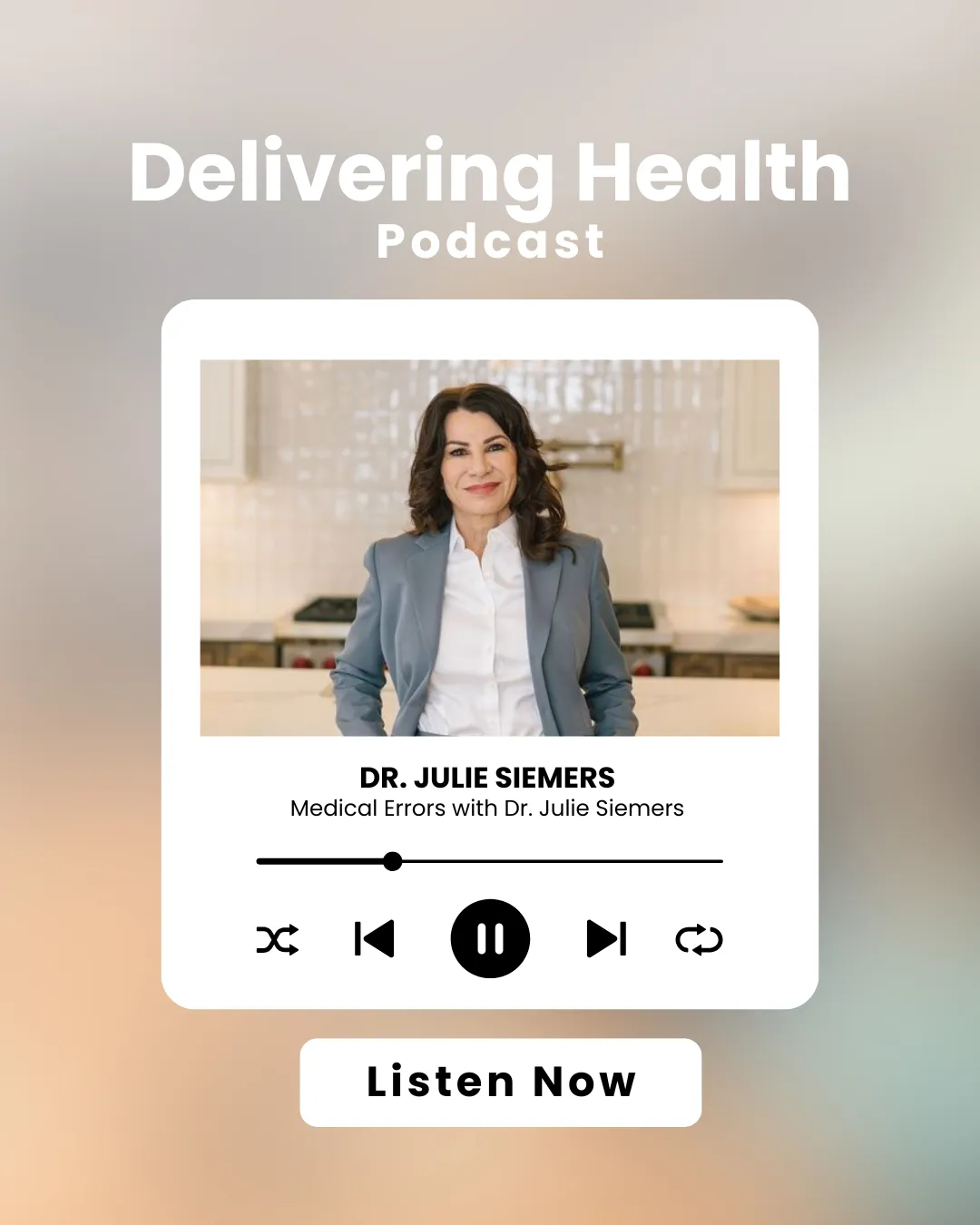
Delivering Health Podcast with Dr. John Neustadt
Medical errors are the third leading cause of death in the U.S. Dr. Julie Siemers shares insights from her 40+ years in medicine on how to prevent these avoidable tragedies.
Key topics include medication errors, unrecognized patient deterioration, AI in healthcare, patient education, communication breakdowns, and surgical checklists.
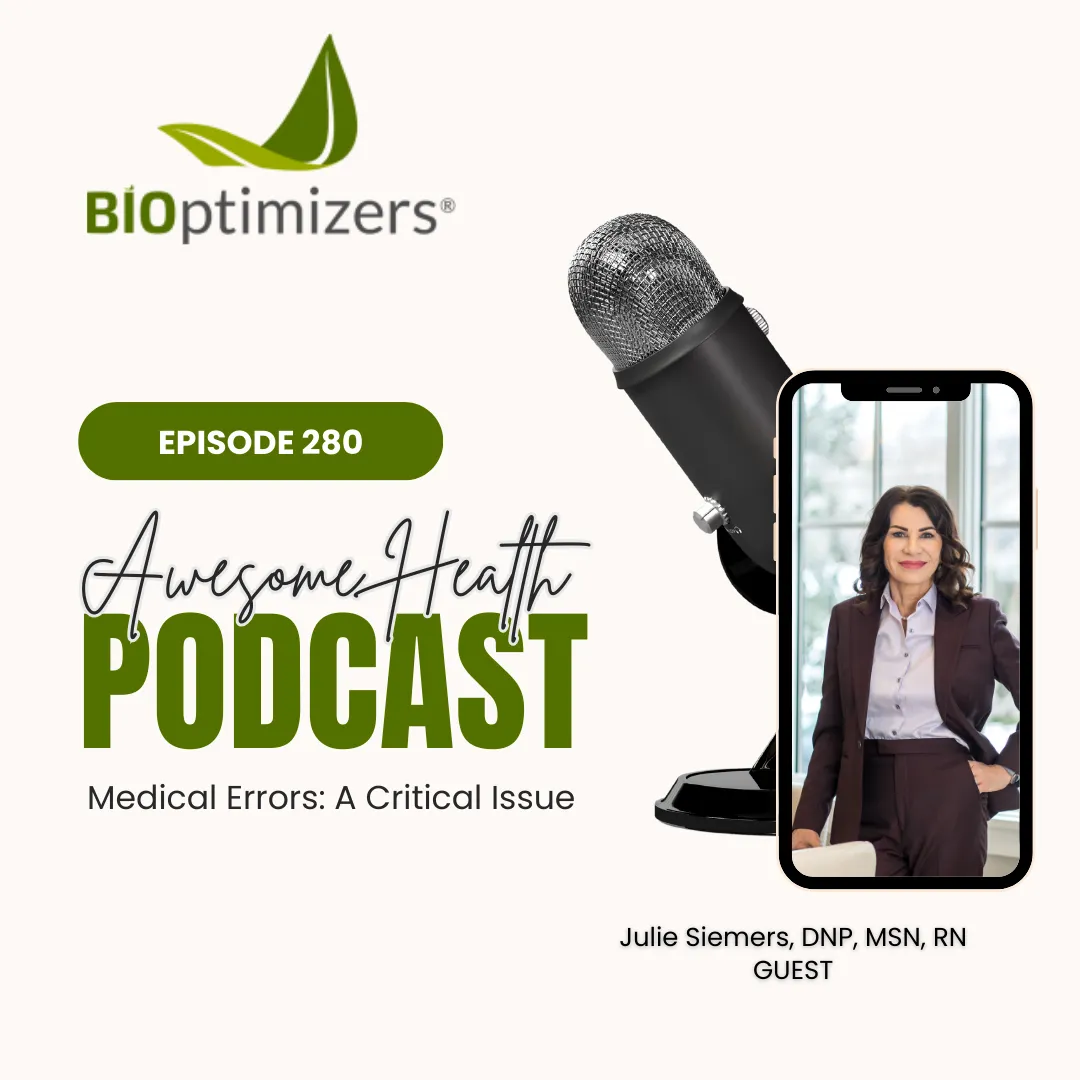
Awesome Health Podcast
Julie Siemers, a nurse and patient safety advocate, emphasizes the importance of being proactive in healthcare—knowing hospital safety ratings, recognizing early warning signs, and seeking second opinions can be lifesaving.
Patients and families play a crucial role by staying informed, asking questions, and advocating persistently. Tools like hospital safety grades, strategies like the “3 P’s” (Present, Polite, Persistent), and understanding AI’s limitations in diagnostics help reduce risk and improve outcomes.
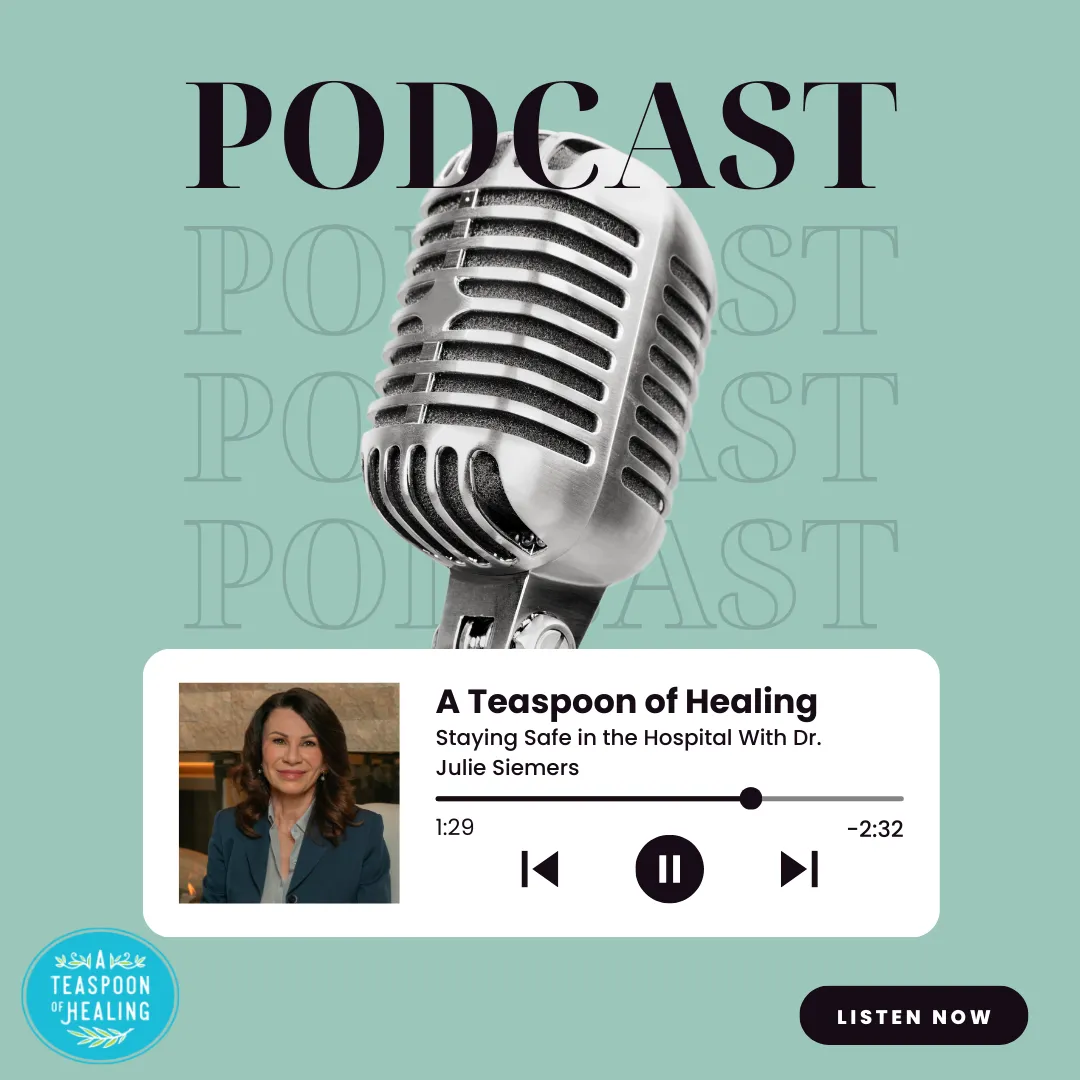
A Teaspoon of Healing
Dr. Julie Siemers shares expert tips on protecting yourself or a loved one during a hospital stay.
Key topics include hospital safety ratings, common medical errors, effective communication with healthcare teams, patient advocacy, patient rights, and using AI to understand medical terms.
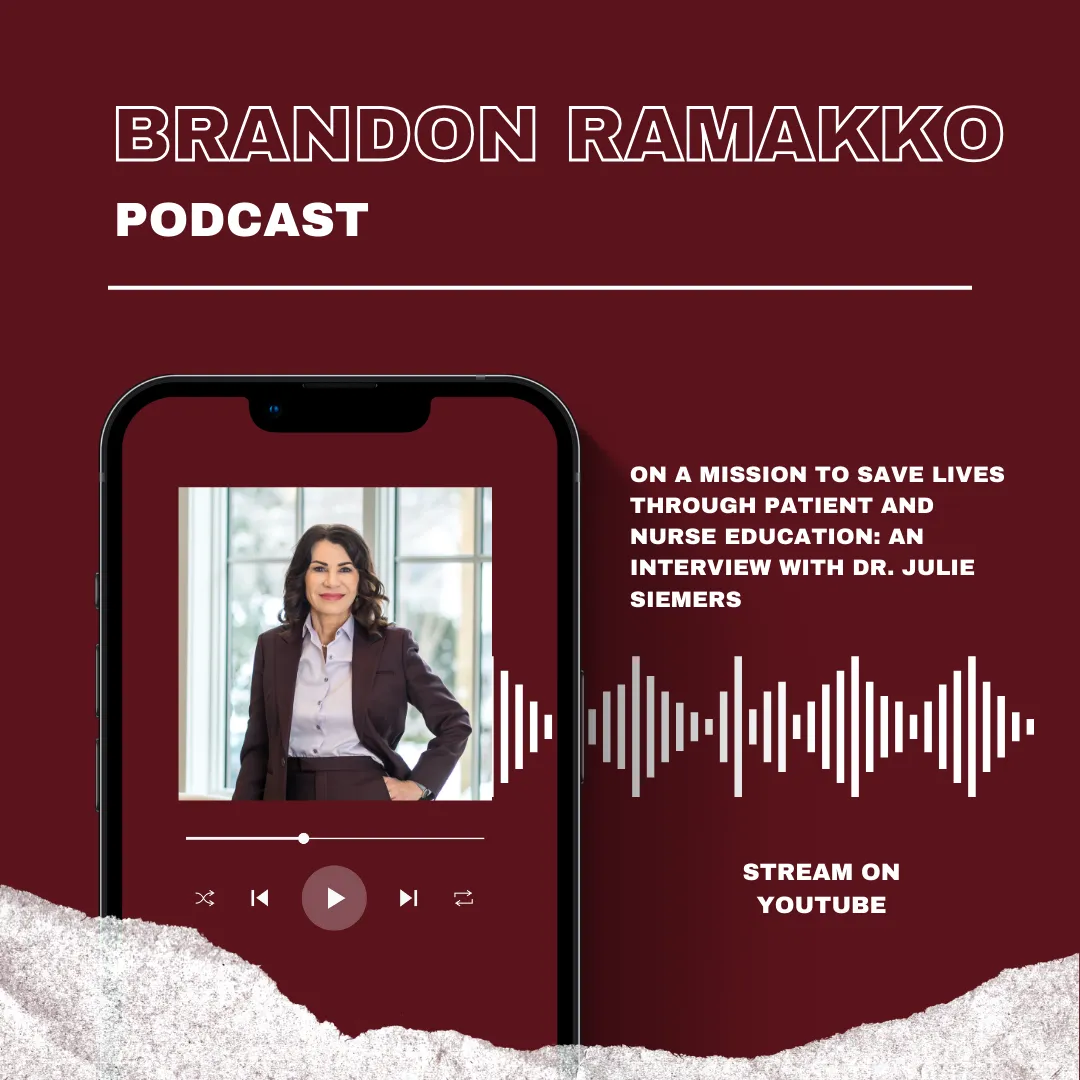
Brandon Ramakko Podcast
Dr. Julie Siemers, a seasoned nurse educator and founder of Lifebeat Solutions, shares how her 40+ years in nursing, education, and leadership fuel her mission to improve patient safety through better nurse training and education.
In the interview, she discusses her journey from bedside nursing to executive leadership, her bestselling book, and her recent TEDx talk, all focused on transforming healthcare by empowering nurses and patients.
Intelligence Medicine Podcast
Dr. Julie Siemers emphasizes the dangers of medical errors in hospitals and highlights how patients and families can advocate for safer, more effective care through communication and informed involvement.
She discusses the vital role of nurses, the impact of healthcare hierarchy, and shares practical tips for navigating hospital stays, including handling high-risk medications and using AI tools to support better outcomes.

Moore Style Podcast
Dr. Julie Siemers, a seasoned nurse, educator, patient safety expert, TEDx speaker, and author, is making a bold transition into entrepreneurship after over 40 years in healthcare, driven by her mission to save lives through education.
Facing challenges like financial uncertainty and personal rebranding, Dr. Julie shares how embracing her personal style and executive presence helped her gain confidence and show up powerfully in her new role as a business leader.
The Good Life with Michele Lamoureux
Dr. Julie Siemers, a leading advocate for patient safety since 2009, highlights that medical errors are the third leading cause of death in the U.S. and emphasizes the importance of recognizing patient deterioration and safe nursing practices.
The interview covers key strategies to protect your loved ones in hospitals, including the 3 Ps, how to communicate effectively with healthcare teams, using a hospital rating website, understanding the hospital chain of command, and preventing infections and medication errors.
Better Health Bookshelf: Discover New Health and Wellness Books to Help You Look, Feel, and Live Younger
Dr. Julie Siemers shares life-saving tips from her book Surviving Your Hospital Stay, revealing how to avoid preventable medical errors, spot early warning signs, and advocate confidently for yourself or a loved one during hospitalization.
This episode is especially crucial for adults over 50, offering insider advice to reduce the risks of medication errors, miscommunication, and other hospital-related dangers—plus a free patient safety checklist.
Not Your Mother's Menopause with Dr. Fiona Lovely
Dr. Lovely interviews Dr. Julie Siemers, a nurse, educator, and patient safety consultant, about how individuals can advocate for themselves during hospital stays to avoid medical errors—a leading cause of death in the U.S.
Dr. Siemers shares practical tools and insights from her extensive nursing experience and authorship, empowering patients and caregivers to navigate hospital systems safely, especially when caring for aging parents or loved ones with chronic conditions.

Conversation with Calvin : We the Species
Dr. Siemers’ mission as a proactive health consumer advocate is to empower individuals with knowledge and tools to prevent medical harm and take charge of their healthcare journey.
Calvin, initially unaware of the depth of patient safety issues, describes his conversation with Dr. Siemers as a "brave new world of discovery," emphasizing how eye-opening and necessary her insights are for all health consumers.
Fit Girl Magic Podcast with Kim Barnes Jefferson
Learn how to confidently navigate hospital stays by understanding your rights, asking the right questions, and advocating effectively for your loved ones without being dismissed by medical staff.
Dr. Julie Siemers shares insider tips from her 40 years of experience as a nurse and educator, revealing how to decode hospital processes, communicate with doctors, and avoid getting lost in the medical chaos.
Welcome to Wellness Podcast with Ashley Deelay
Dr. Julie Siemers shares essential hospital survival strategies—including how to navigate hospital hierarchy, use “CUSS” words to advocate for yourself, follow the “3 P’s” (Be Present, Polite, Persistent), and recognize vital signs like respiratory rate as early indicators of danger.
She stresses patient empowerment by urging listeners to research hospital safety grades, ask for all test results, be vigilant about medication errors, and physically prepare for surgery to prevent complications like blood clots.
Medicine 3.0 Bionic Health Podcast
Dr. Julie Siemers, a patient safety consultant and nurse educator, discusses the root causes of medical errors, the importance of early warning signs, and how patients and families can advocate for safer hospital care using strategies like surgical checklists and the CUSS method.
The episode also explores the impact of healthcare worker burnout on patient outcomes and emphasizes the need to foster a culture of safety through national policies and frontline awareness.
The Health Revival Show
Dr. Julie Siemers, a nurse with over 40 years of experience, shares powerful insights on preventing medical errors and the hidden dangers patients face in hospitals.
The episode offers practical tips on advocating for yourself or loved ones, including how to choose a safe hospital, ask critical questions, and use tools like the Hospital Safety Patient Checklist.
Wild Health Podcast with Dr. Carl
Dr. Julie Siemers shares insights from 40+ years in healthcare, highlighting how communication breakdowns, misdiagnoses, and lack of advocacy put patients at risk in hospitals.
She offers practical tools like checking hospital safety scores, using the “Three P’s” (Be Present, Be Polite, Be Persistent), and “CUS” words (Concerned, Uncomfortable, Scared, Safety) to help patients and caregivers protect themselves.
Happy Whole You
Medical errors are the 3rd leading cause of death in the U.S., and many are preventable. Dr. Julie Siemers urges patients to be proactive ask questions, look for red flags, and use tools like the Hospital Safety Grade website to stay safe during hospital stays.
With 40+ years in nursing and education, Dr. Siemers shares practical safety tips. From ICU to the classroom, her experience helps patients understand how to protect themselves and loved ones using advice from her book Surviving Your Hospital Stay.
Balance Health Now
Medical errors are the third leading cause of death in the U.S., yet remain largely unspoken about; Dr. Julie Siemers exposes the hidden risks in the healthcare system and the deadly impact of this silence.
Dr. Siemers shares practical advocacy tools like the CUS method and real frontline stories to help patients and families confidently communicate, ask critical questions, and take control of their healthcare experience.
Linda's Corner: Inspiration for a Better Life
Dr. Julie Siemers shares practical strategies to reduce preventable medical harm, including using CUSS words (Concerned, Uncomfortable, Scared, Safety issue), knowing your Patient Bill of Rights, and speaking up with confidence when something feels off.
With 40+ years in healthcare, Dr. Siemers emphasizes the importance of being an informed, curious, and proactive patient to prevent errors—the third leading cause of death in the U.S.
Ageless Future Podcast
Dr. Julie Siemers shares powerful insights from her 40+ years in healthcare, highlighting systemic issues like understaffing and communication failures that contribute to preventable harm in hospitals.
She emphasizes the importance of patient and family advocacy, offering practical tips to stay safe and informed during hospital stays, as featured in her book Surviving Your Hospital Stay.
Ageless Future Podcast
Dr. Julie Siemers shares crucial tips on how women can advocate for themselves and their loved ones during hospital stays, including how to choose trustworthy providers, ask the right questions, and avoid common medical errors.
The episode empowers listeners with knowledge about their healthcare rights and practical steps to stay safe, prevent infections, and navigate hospital systems with confidence.
Procrastination Station
Dr. Julie Siemers joins Procrastination Station to share how proactive involvement, strong communication, and tools like AI and hospital safety grades can help patients prevent medical errors and make informed healthcare decisions.
The episode emphasizes that procrastination negatively affects health, and simple strategies like the 5-4-3-2-1 rule combined with patient advocacy, education, and lifestyle changes can significantly improve outcomes.
Nurses Feed Their Young
Dr. Julie Siemers is a nurse leader with over 40 years of experience in clinical care, education, and healthcare leadership, specializing in acute critical care and patient safety.
She holds a Doctor of Nursing Practice from Touro University and authored Surviving Your Hospital Stay, a guide to help patients and families navigate healthcare safely and confidently.
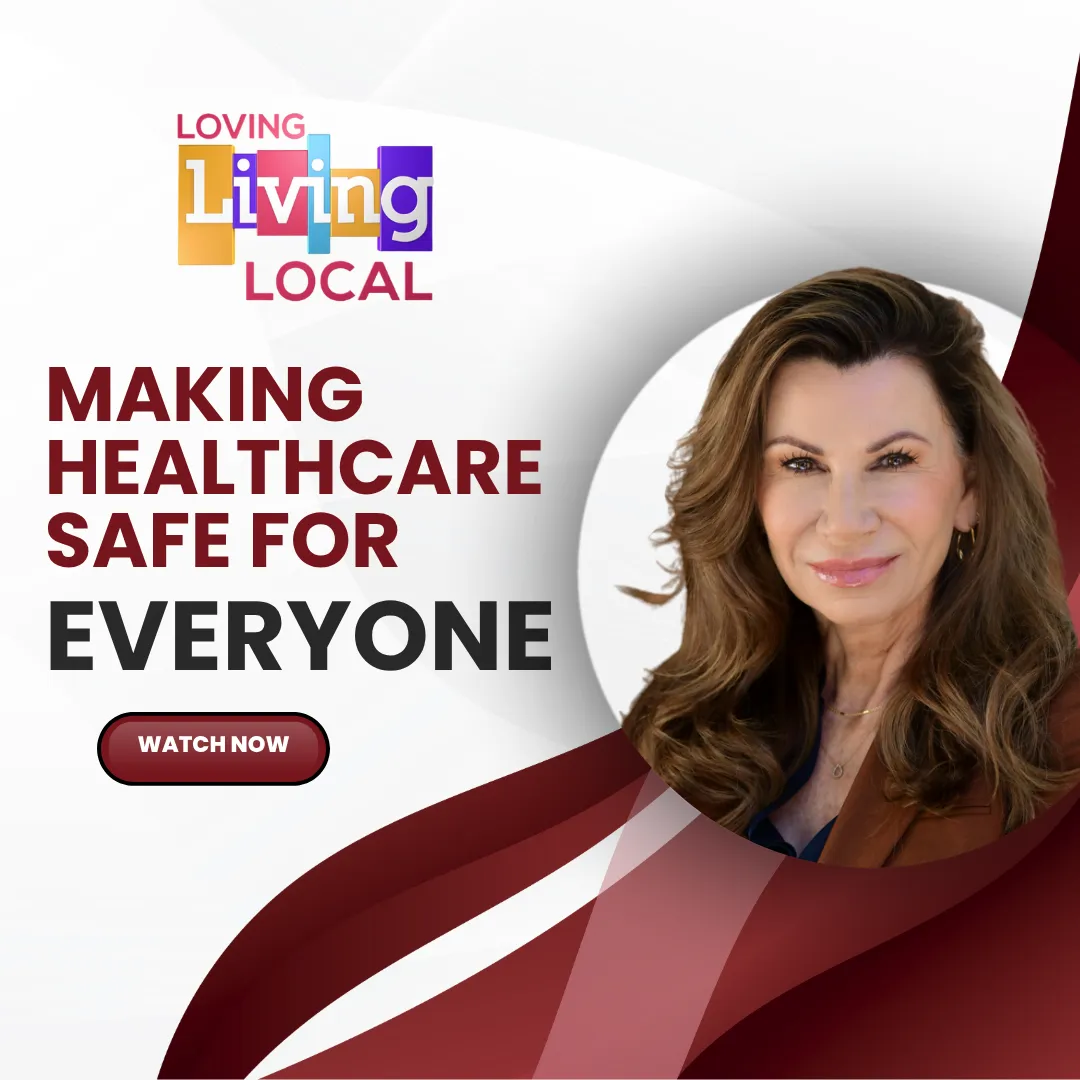
Loving Living Local
Dr. Julie Siemers was invited to appear via Zoom on Loving Living Local to discuss her mission: Making healthcare safe for everyone.
With over 45 years of experience in nursing, education, and healthcare leadership, she brings deep insight and passion to the conversation on patient safety.

PlantStrong with Rip Esselstyn
Patient harm is often preventable watch for subtle warning signs, communicate clearly, and use the 3Ps: Be Present, Polite, and Persistent to advocate for your care.
Plan and get support bring someone with you to hospital visits, and know your medications, health history, and emergency plan.
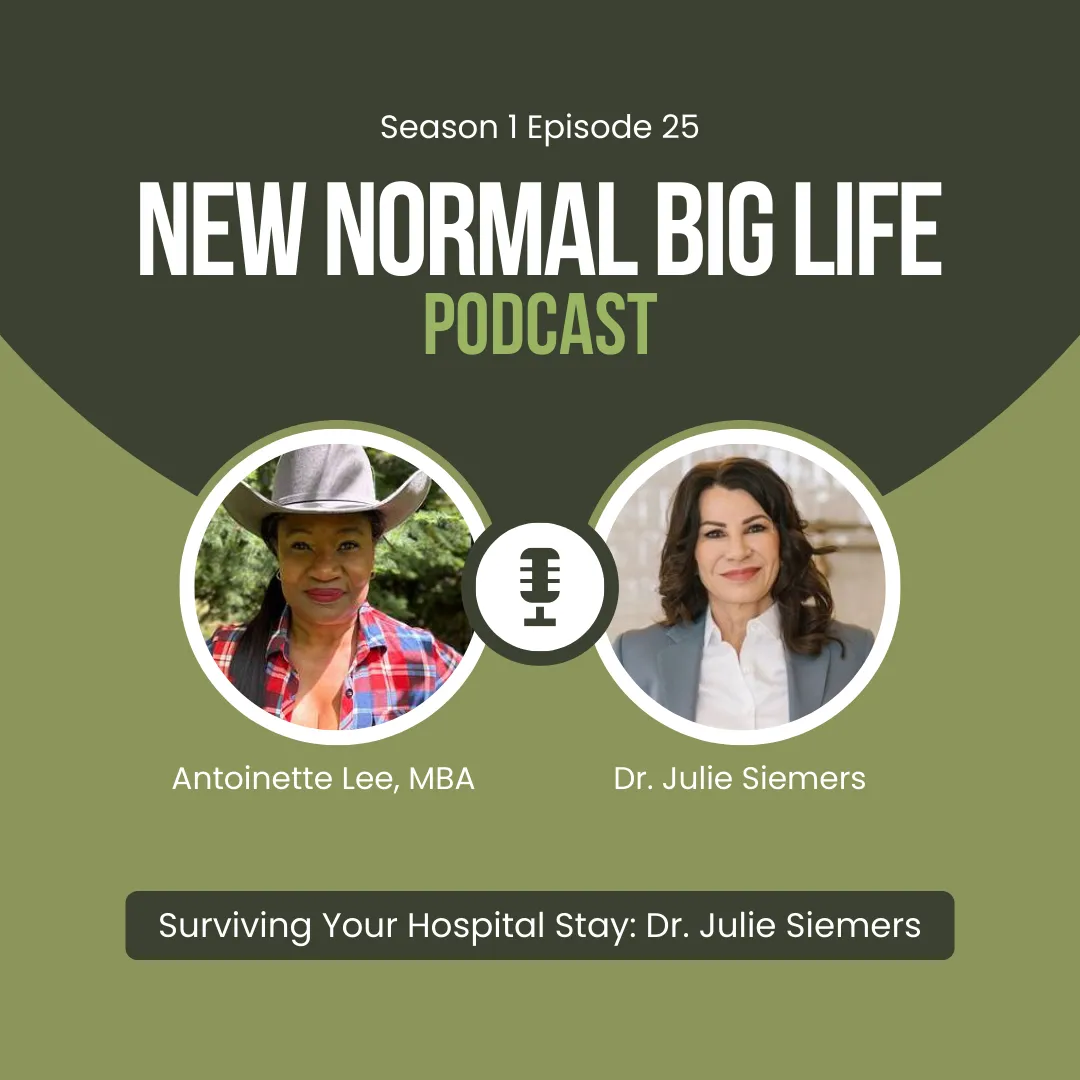
New Normal Big Life
Dr. Julie Siemers, nurse educator and author of Surviving Your Hospital Stay, exposes hidden hospital dangers from medication errors and misdiagnoses to the shocking fact that only 9% of new nurses are deemed competent while sharing practical tools to safeguard yourself, such as checking hospital safety grades and responding to medical gaslighting.
In conversation with host Antoinette Lee, who recounts a near-fatal allergy incident, Dr. Siemers explains patient rights, including when you can refuse care and how to escalate concerns, offering lifesaving guidance for navigating the healthcare system safely.
New Normal Big Life
Every year, 250,000+ Americans die from preventable hospital errors, Dr. Julie Siemers reveals the hidden dangers inside hospitals.
Learn proven, life-saving strategies, from checking safety grades to bold advocacy to protect yourself and your loved ones during any hospital stay.
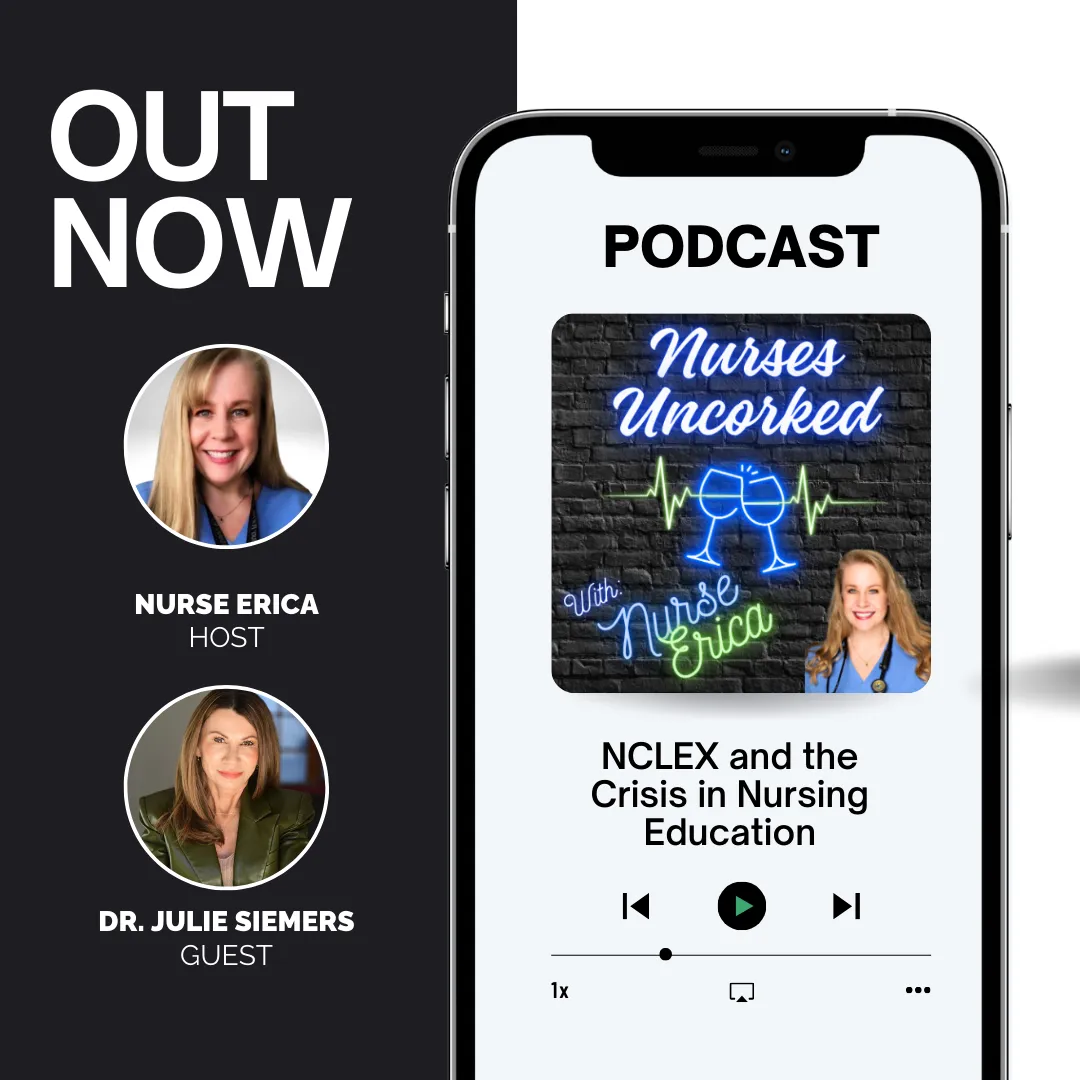
New Normal Big Life
Nurse Erica and Dr. Julie Siemers discuss the decline in new graduate nurses’ preparedness, highlighting record-low NCLEX pass rates, diminished clinical experience since COVID-19, and concerns about cheating and assessment failures in nursing programs.
They emphasize the urgent need for curriculum reform to strengthen clinical judgment, safeguard patient safety, and address the critical challenges in nursing education.
Walk 2 Wealth
Dr. Julie Siemers, a 45-year nursing veteran turned entrepreneur, shares her progress since launching LifeBeast Solutions, a course platform addressing nursing knowledge gaps that contribute to medical errors—the third leading cause of death in the U.S.
She reflects on her TEDx and speaking experiences, and reveals how AI has fueled her success in creating 28+ courses, securing hospital licensing opportunities, and expanding internationally, showcasing the power of blending passion, purpose, and technology.
All Things LOCS Podcast
Dr. Julie Siemers joins Dr. Dan Neissany and Antonio Garcia to discuss patient safety, system breakdowns, and leadership’s role in transforming healthcare through better communication, teamwork, and cultural change.
The episode shares actionable strategies for reducing medical harm, addressing communication failures, empowering patients, and guiding leaders to set vision and drive improvements without relying on more patients or higher reimbursements.
Advice From Your Advocates
Up to 400,000 Americans die annually from preventable hospital harm, with elderly and cognitively impaired patients facing the highest risks.
Dr. Julie Siemers highlights how stronger family advocacy and clearer communication with providers are key to reducing medical errors and protecting patients.
Born or Made
Dr. Julie Siemers shared how her decades in critical care inspired her passion for patient safety, the creation of Surviving Your Hospital Stay, and her mission to protect patients by revealing the hidden dangers within hospitals and how to avoid them.
The discussion explored her belief that empowering nurses and fostering leadership are essential to transforming healthcare systems—highlighting her journey from clinician to change-maker in improving care quality and outcomes.

The Mindset Playground
Dr. Julie Siemers shared how her decades in critical care inspired her passion for patient safety, the creation of Surviving Your Hospital Stay, and her mission to protect patients by revealing the hidden dangers within hospitals and how to avoid them.
The discussion explored her belief that empowering nurses and fostering leadership are essential to transforming healthcare systems—highlighting her journey from clinician to change-maker in improving care quality and outcomes.
Sound Bites: A Nutrition Podcast with Melissa Joy Dobbins Podcast
Up to 70% of patient harm is linked to communication breakdowns. Patients and families often underestimate their power to ask questions, speak up, and assert their rights actions that can be life-saving.
Dr. Julie Siemers shares how to advocate for yourself or a loved one in the hospital, introduces frameworks like the 3 “P”s and “CUSS” words, and provides resources such as a free patient safety checklist to navigate the healthcare system confidently.
Hospital Survival Guide: How to Avoid Medication Errors, Infections, and Misdiagnoses That Kill Thousands
Myers Detox Podcast
Dr. Julie Siemers, a nurse educator with 40 years of experience, shares life-saving strategies to prevent medication errors, infections, and misdiagnoses—the leading causes of preventable harm in hospitals.
The episode teaches patients and families how to advocate for safe care by asking the right questions, insisting on safety protocols, and recognizing warning signs of medical neglect or coercion.
A Different Way of Seeing with Lois Strachan
Dr Julie Siemers on Patient Safety During Medical Interventions
Dr. Julie Siemers explains how poor communication and medical gaslighting—often experienced by people with disabilities—can affect all patients, highlighting common factors on both the patient and provider side that lead to safety risks during medical interventions.
She shares practical strategies patients can use to advocate for themselves and stay safe during treatment, making this episode valuable for anyone navigating medical care.
Life Stories Podcast with Shara Goswick
How to Prevent Medical Harm and Speak Up With Confidence
Dr. Julie Siemers exposes why preventable medical harm is so common—highlighting communication breakdowns, safety grade research, key questions to ask, and how families can confidently advocate for their loved ones before harm occurs.
She shares real stories from her 40+ years in nursing, plus practical tools like her book, upcoming patient-safety app, and step-by-step guidance on preparing vulnerable patients, speaking up respectfully, and using the chain of command when concerns are ignored.
From ICU to Helicopter: A Nurse's 46-Year Flight To Prevent Harmoswick
Shadow Me Next!
Preventable harm is usually a systems failure, not a sudden surprise. Drawing on 46 years across ICU, trauma, flight, and leadership, Dr. Julie Siemers explains “failure to rescue” as failures to recognize, act, and communicate—highlighting early warning signs (like respiratory rate, ventilation vs. oxygenation, and subtle changes across her seven clinical pillars) that appear hours before a patient crashes, even when SpO₂ looks “normal.”
Culture, communication, and advocacy save lives. From helicopter medicine to bedside care, the podcast emphasizes that respect, closed-loop communication, simulation training, and empowered families (using tools like CUS words and the chain of command) are just as critical as protocols—making patient safety a shared, teachable, and solvable responsibility.
From Critical Care to TEDx and Lifebeat Solutions: Dr. Julie Siemers Talks Patient Safety and Business
The Bossy Nurse Podcast
Patient safety starts with early recognition and communication: Dr. Julie Siemers explains how missed warning signs, poor communication, and “failure to rescue” impact outcomes—and how nurses, patients, and families can act as powerful safety partners by spotting red flags, asking questions, and speaking up early.
From bedside to mission-driven business: Drawing on decades of critical care experience, Dr. Siemers shares how gaps in nurse readiness led her to create education tools, deliver a TEDx talk, and build Lifebeat Solutions to strengthen clinical judgment and amplify patient safety impact.
The Patient Safety Crisis No One Talks About…
Super Clinic Project Podcast
Why patient safety is still broken: Dr. Julie Siemers reveals how preventable harm continues in modern healthcare due to system failures—not bad clinicians—highlighting that up to 70% of patient harm stems from communication breakdowns. She shares real front-line stories and explains why transparency, better communication, and systems thinking are critical to saving lives.
How clinics, clinicians, and patients can drive change: This episode delivers practical strategies to empower patients and families to advocate for safer care, improve clinic communication and safety culture, leverage tools like hospital safety grades and emerging technology, and implement education that helps clinicians anticipate risks and prevent harm.
How to Speak Up in the Hospital (Without Being Dismissed) w/Julie Siemers
Phantom Electric Ghost Podcast
In this episode of the Phantom Electric Ghost Podcast, Dr. Julie Siemers shares practical, real-world strategies on how patients and families can speak up in the hospital without being dismissed, drawing from decades of frontline experience to help listeners advocate for safer care and prevent avoidable harm.
Expert Insight: As a patient safety expert, visionary nurse leader, and transformative educator, Dr. Siemers brings over 40 years of experience across ICU, ER, trauma, flight nursing, and nursing education. She discusses why patient advocacy matters, common breakdowns in hospital communication, and how her work through Lifebeat Solutions is changing the way people stay safe during hospitalization.
How Communication, Advocacy & Culture Save Lives with Dr. Julie Siemers
Prescription for Admission Podcast
Dr. Julie Siemers breaks down the real causes of patient harm—communication failures, medication errors, unsafe transitions of care, and “failure to rescue”—and explains how hospital culture and accreditation standards directly impact patient outcomes.
How Advocacy Saves Lives: Learn practical, actionable ways patients, families, and healthcare professionals can speak up, prevent errors, report near misses, and help build a safer, more transparent healthcare system.
Fixing Broken Healthcare: Patient Safety & Systems Design - Dr. Julie Siemers
The Iferia Techcast
Dr. Julie Siemers, trauma flight nurse turned patient safety expert, breaks down why patient harm is now the third leading cause of death—and how “broken systems,” not bad people, drive preventable errors inside hospitals.
Real-world lessons from flight nursing, how communication failures put patients at risk, how technology like AI alerts and voice-activated charting can improve safety, and the exact questions patients and families can ask to protect themselves and their loved ones during a hospital stay.
Dr. Julie Siemers on the Patient Safety Crisis, Burnout, and Broken Healthcare Systems
The BioCircuit
Why patient safety is in crisis: Dr. Julie Siemers explains how burnout, chronic understaffing, and broken healthcare systems are driving preventable harm in U.S. healthcare.
What patients and families can do: She shares practical guides that help patients and families speak up, partner with providers, and actively prevent avoidable medical errors.