

What Would You Do If CMS Came Tomorrow?
Date published: October 30, 2025
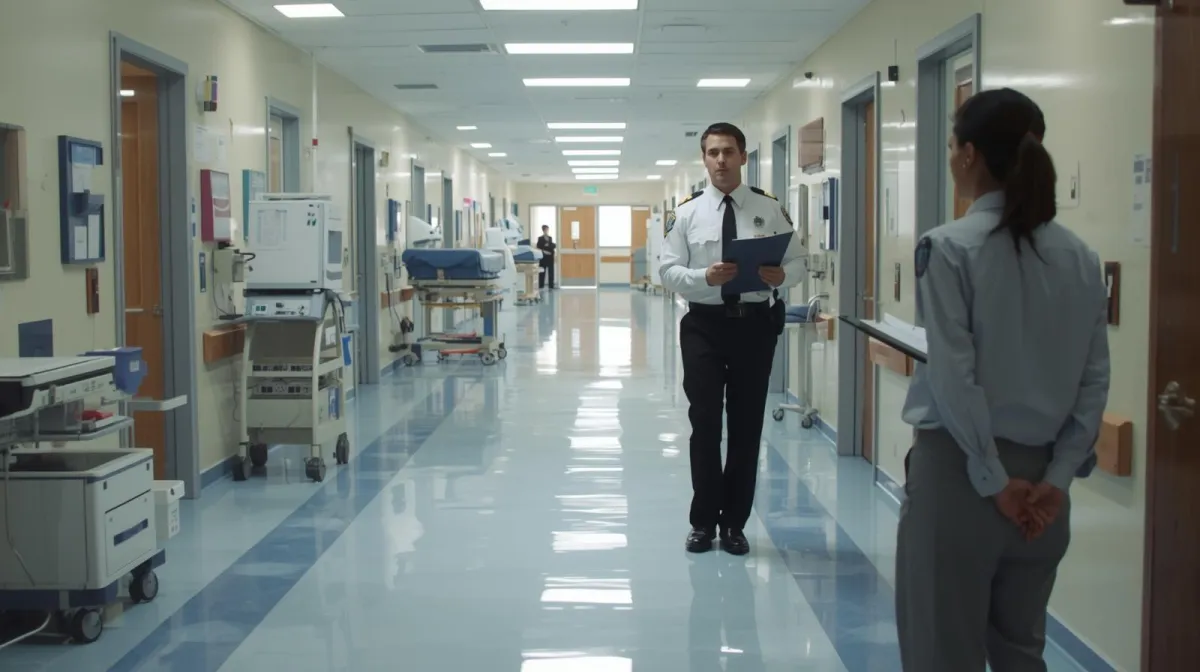
Imagine this: A nurse submits three staffing concern reports in a month. ICU ratios are unsafe, rapid responses are delayed, and vital signs are missed. Leadership acknowledges the reports but no meaningful changes are made.
Then, a patient codes. Post-event review shows no recorded vitals for 10 hours. CMS is called. Immediate Jeopardy is declared.
And just like that, the hospital’s Medicare funding is on the line.
This isn’t hypothetical. It’s happening more often than healthcare leaders may realize. Inadequate staffing, communication breakdowns, and ignored warning signs can lead to catastrophic events and regulatory consequences that impact the entire organization.
What Is Immediate Jeopardy?
Immediate Jeopardy (IJ) is the most serious deficiency cited by the Centers for Medicare & Medicaid Services (CMS). It means the hospital's actions (or lack thereof) have placed patients in imminent danger.
The consequences are severe:
- Risk of Medicare/Medicaid funding suspension
- Intense regulatory oversight
- Reputational damage
- Patient and staff distrust
Hospitals often scramble to respond once CMS is involved. But by then, it may be too late.
What CMS Looks For
When evaluating hospitals, CMS doesn’t just focus on outcomes they focus on systems:
• Were staffing concerns documented and escalated?
• Were patterns of harm identified and addressed?
• Did leaders respond to frontline reports?
• Was documentation timely and accurate?
In many Immediate Jeopardy cases, CMS finds the same root cause: staff knew there was a problem, but the system failed to respond.
The Real Cost of Silence
Consider this real-world example: A hospital ICU was flagged for Immediate Jeopardy after a patient died during a night shift. Nurses had raised concerns about unsafe staffing ratios and delayed rapid response availability. The hospital failed to act.
CMS investigators found that:
• Vital signs were not charted for 10 hours
• No backup staff were on-call
• The nurse who reported the issue was afraid of retaliation
The hospital narrowly avoided funding suspension after implementing emergency reforms.
What Healthcare Leaders Can Do Now
The good news? Preventing Immediate Jeopardy doesn’t require perfection. It requires proactive, transparent leadership:
📁 Build Real-Time Reporting Channels
Create confidential, easy-to-access pathways for staff to report safety concerns. Anonymous surveys, staffing concern forms, and escalation protocols must be acted on swiftly.
🤝 Close the Feedback Loop
When frontline staff speak up, respond with action. Document it. Communicate the changes. This builds trust—and helps protect your facility.
📊 Monitor Leading Indicators
Don’t wait for harm to occur. Track missed vitals, late documentation, delayed rapid responses, and unit-level staffing trends.
📢 Make Psychological Safety a Priority
Empower your teams to speak up without fear. Just Culture isn’t a buzzword—it’s a foundational safety strategy.
🏥 Simulate a CMS Visit
Have an internal team review documentation, staffing records, and incident responses as if CMS were arriving tomorrow. Would you pass?
Final Thought
You don’t need a crisis to act. In fact, waiting for one is the greatest risk.
Immediate Jeopardy doesn’t begin with a code. It begins when we ignore the people who saw it coming.
Learn more: lifebeatsolutions.com
#cmscompliance #patientsafety #hospitalleadership #safestaffing #justculture #healthcarequality
What Would You Do If CMS Came Tomorrow?
Date published: October 30, 2025
Imagine this: A nurse submits three staffing concern reports in a month. ICU ratios are unsafe, rapid responses are delayed, and vital signs are missed. Leadership acknowledges the reports but no meaningful changes are made.
Then, a patient codes. Post-event review shows no recorded vitals for 10 hours. CMS is called. Immediate Jeopardy is declared.
And just like that, the hospital’s Medicare funding is on the line.
This isn’t hypothetical. It’s happening more often than healthcare leaders may realize. Inadequate staffing, communication breakdowns, and ignored warning signs can lead to catastrophic events and regulatory consequences that impact the entire organization.
What Is Immediate Jeopardy?
Immediate Jeopardy (IJ) is the most serious deficiency cited by the Centers for Medicare & Medicaid Services (CMS). It means the hospital's actions (or lack thereof) have placed patients in imminent danger.
The consequences are severe:
• Risk of Medicare/Medicaid funding suspension
• Intense regulatory oversight
• Reputational damage
• Patient and staff distrust
Hospitals often scramble to respond once CMS is involved. But by then, it may be too late.
What CMS Looks For
When evaluating hospitals, CMS doesn’t just focus on outcomes they focus on systems:
•Were staffing concerns documented and escalated?
•Were patterns of harm identified and addressed?
•Did leaders respond to frontline reports?
•Was documentation timely and accurate?
In many Immediate Jeopardy cases, CMS finds the same root cause: staff knew there was a problem, but the system failed to respond.
The Real Cost of Silence
Consider this real-world example: A hospital ICU was flagged for Immediate Jeopardy after a patient died during a night shift. Nurses had raised concerns about unsafe staffing ratios and delayed rapid response availability. The hospital failed to act.
CMS investigators found that:
•Vital signs were not charted for 10 hours
•No backup staff were on-call
•The nurse who reported the issue was afraid of retaliation
The hospital narrowly avoided funding suspension after implementing emergency reforms.
Centering the Patient and Family Voice
Patients and families are essential members of the care team and often the first to notice when something isn’t right.
Policies like Martha’s Rule allow families to request a rapid review when they believe a loved one is deteriorating. These programs save lives. We need more of them. Read more: https://www.england.nhs.uk/patient-safety/marthas-rule/
When we treat families as partners, not outsiders, we create safer care environments. Listening to them, validating concerns, and acting on their input should be a standard, not an exception.
What Healthcare Leaders Can Do Now
The good news? Preventing Immediate Jeopardy doesn’t require perfection. It requires proactive, transparent leadership:
📁 Build Real-Time Reporting Channels
Create confidential, easy-to-access pathways for staff to report safety concerns. Anonymous surveys, staffing concern forms, and escalation protocols must be acted on swiftly.
🤝 Close the Feedback Loop
When frontline staff speak up, respond with action. Document it. Communicate the changes. This builds trust—and helps protect your facility.
📊 Monitor Leading Indicators
Don’t wait for harm to occur. Track missed vitals, late documentation, delayed rapid responses, and unit-level staffing trends.
📢 Make Psychological Safety a Priority
Empower your teams to speak up without fear. Just Culture isn’t a buzzword—it’s a foundational safety strategy.
🏥 Simulate a CMS Visit
Have an internal team review documentation, staffing records, and incident responses as if CMS were arriving tomorrow. Would you pass?
Final Thought
You don’t need a crisis to act. In fact, waiting for one is the greatest risk.
Immediate Jeopardy doesn’t begin with a code. It begins when we ignore the people who saw it coming.
Learn more: lifebeatsolutions.com
#cmscompliance #patientsafety #hospitalleadership #safestaffing #justculture #healthcarequality
Monitoring and Reporting
Collecting and analyzing data on safety incidents to identify trends and areas for improvement.
Establishing Standards
Developing and enforcing safety protocols to ensure consistency and quality across healthcare organizations.
Promoting Education
Providing training and resources to healthcare professionals to enhance their knowledge and skills in patient safety.
Encouraging Transparency
Creating a culture where healthcare workers feel empowered to report errors and near-misses without fear of retribution.

Driving Innovation
Leveraging technology and research to implement cutting-edge solutions for patient safety challenges.
FOLLOW US


Copyright 2025. All rights reserved
FOLLOW US
FOLLOW US