

When Nurses Aren't Ready, Patients Pay the Price
Date published: April 3, 2026
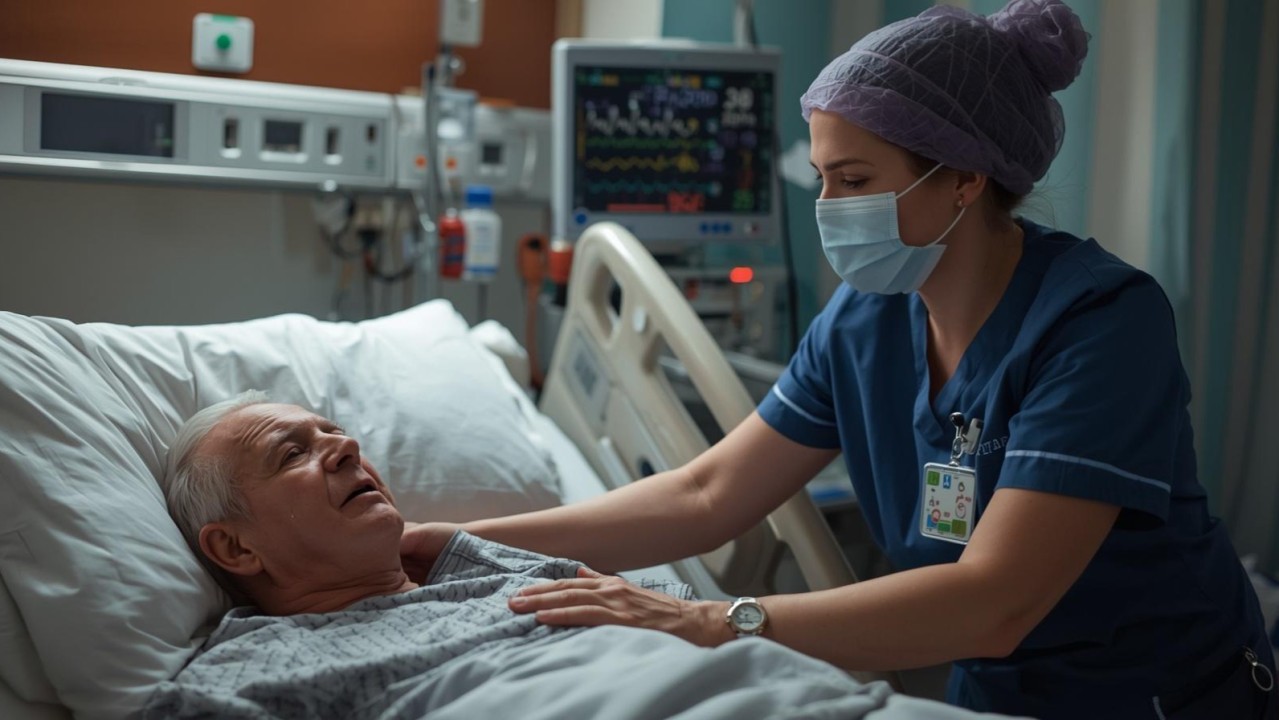
The preparation gap in nursing education isn't just a workforce crisis. It's a patient safety emergency.
A few weeks ago I wrote about why we are losing new nurses at alarming rates — and why I believe this is a preparation problem before it is a retention problem. The response was overwhelming, and one theme kept surfacing in the comments: we are not talking enough about what happens to patients when nurses arrive at the bedside unprepared.
So let's talk about it.
The Numbers We Should Not Be Able to Live With
In 1999, the landmark report To Err Is Human estimated that up to 98,000 Americans died annually from preventable medical errors. It shook the healthcare world. It triggered task forces, initiatives, and promises of systemic change.
By 2016, a study published in The BMJ by Dr. Martin Makary and Michael Daniel at Johns Hopkins estimated that number had grown to more than 250,000 deaths per year — making medical errors the third leading cause of death in the United States, behind only heart disease and cancer.
The Agency for Healthcare Research and Quality reports that 1 in 4 Medicare patients experience an adverse event during a hospital stay. Forty percent of those events are caused by preventable errors.
250,000 Americans die from preventable medical errors every year. That is the equivalent of a fully loaded 737 crashing every single day.
These are not statistics. They are people. And many of them are connected — directly or indirectly — to a workforce that arrived at the bedside underprepared for the clinical complexity they encountered.
Three Patients. Three Stories. One Pattern.
Rory Staunton was 12 years old when he scraped his arm on a gym floor during basketball practice. His parents took him to a New York emergency room when he developed a high fever. A critical lab value was flagged — and never communicated to the care team. He was sent home. He died four days later of septic shock. The warning signs were present. No one connected them.
Anders Pederson donated a kidney to his sister. After surgery, his opioid dose was nearly quadrupled. He was taken off monitoring. His oxygen was never checked. His vital signs went unassessed for over five hours. His mother, sitting at his bedside, reached over and found his hand cold. He did not survive the code. An investigation found at least 30 failures in his care.
Linda T. was 72 years old, admitted for a mild CHF exacerbation. Over 36 hours, her sodium dropped from 129 to 118. Each lab value was viewed in isolation. Her confusion was attributed to poor sleep. Her fatigue, nausea, and unsteadiness were never correlated with her falling sodium levels. A critical lab flag sat in the EHR, unaddressed. She had a seizure. She was transferred to the ICU with permanent brain injury.
In each of these cases, the clinical signs were present. The data existed. What was missing was the trained clinical judgment to recognize the pattern, name the danger, and act — urgently, clearly, and without hesitation.
The Clinical Judgment Gap Is Not Theoretical
The 2024 Nurse Readiness Crisis Report, which surveyed 800 nurses who graduated within the last five years, found that nearly half were involved in a medical error within their first year of practice. Not because they were careless. Because they had never practiced rescuing a deteriorating patient under real pressure, in real time, with incomplete information and a family in the room watching them.
The Wolters Kluwer New Nurse Readiness survey has identified clinical judgment as the single greatest gap between what nursing education produces and what clinical practice requires — and that finding has held consistent across three surveys spanning more than a decade. The gap is not new. Our tolerance of it is the problem.
Failure-to-rescue — the inability to recognize and respond to a deteriorating patient — is one of the most preventable causes of in-hospital death. It is also one of the most direct consequences of graduating nurses who have learned to pass an exam but have never been trained to think under pressure.
A curriculum built to pass the NCLEX is not the same as a curriculum built to save lives.
What Good Preparation Actually Looks Like
It starts in the classroom — with unfolding case studies that require students to recognize deterioration in real time, not after the fact. It continues in the simulation lab, where students practice calling for help, making decisions with incomplete information, and communicating urgency to a skeptical team. It is anchored in debrief — the structured, honest conversation after a scenario where the gap between what a student knew and what they did becomes visible, discussable, and correctable.
This is not a luxury add-on. It is the foundational infrastructure of a safe nurse. And it must be built before graduation — not outsourced to an overwhelmed preceptor in a unit that is already short-staffed and running at capacity.
The financial cost of nurse turnover is estimated at $40,000 to $60,000 per nurse. The moral cost of preventable patient harm is incalculable. Both trace back to the same root: nurses who arrived at the bedside without the clinical judgment to practice safely — and without the confidence to stay.
A Final Word to Every Educator and Leader Reading This
Rory Staunton's family became patient safety advocates. Anders Pederson's mother testified before Congress. Linda T.'s daughter carries the weight of wondering what might have been different if one nurse had connected the dots.
These families should not be our primary faculty for teaching patient safety. Our students should be.
We have the tools. We have the evidence. We have the case studies, the simulation frameworks, the clinical judgment models — all of it. What we need now is the institutional will to make preparation non-negotiable.
When nurses are ready, patients live. That is the only metric that matters.
Dr. Julie Siemers, DNP, MSN, RN
Founder, Lifebeat Solutions · Creator, Patient Safety Standard™ Curriculum · 46 years of clinical and educational experience in critical care, flight nursing, and patient safety education.
What are you seeing in your program or institution? Are new graduates arriving with the clinical judgment to recognize a deteriorating patient — or are we still closing that gap at the bedside? I'd welcome your perspective in the comments.
Visit our website https://drjuliesiemers.com/lifebeat-solutions/ and book a consultation with us. For inquiries, you can also reach out via email at [email protected].
#PatientSafety #NursingEducation #HealthcareLeadership #ClinicalJudgment #NurseLife
When Nurses Aren't Ready, Patients Pay the Price
Date published: April 3, 2026
The preparation gap in nursing education isn't just a workforce crisis. It's a patient safety emergency.
A few weeks ago I wrote about why we are losing new nurses at alarming rates — and why I believe this is a preparation problem before it is a retention problem. The response was overwhelming, and one theme kept surfacing in the comments: we are not talking enough about what happens to patients when nurses arrive at the bedside unprepared.
So let's talk about it.
The Numbers We Should Not Be Able to Live With
In 1999, the landmark report To Err Is Human estimated that up to 98,000 Americans died annually from preventable medical errors. It shook the healthcare world. It triggered task forces, initiatives, and promises of systemic change.
By 2016, a study published in The BMJ by Dr. Martin Makary and Michael Daniel at Johns Hopkins estimated that number had grown to more than 250,000 deaths per year — making medical errors the third leading cause of death in the United States, behind only heart disease and cancer.
The Agency for Healthcare Research and Quality reports that 1 in 4 Medicare patients experience an adverse event during a hospital stay. Forty percent of those events are caused by preventable errors.
250,000 Americans die from preventable medical errors every year. That is the equivalent of a fully loaded 737 crashing every single day.
These are not statistics. They are people. And many of them are connected — directly or indirectly — to a workforce that arrived at the bedside underprepared for the clinical complexity they encountered.
Three Patients. Three Stories. One Pattern.
Rory Staunton was 12 years old when he scraped his arm on a gym floor during basketball practice. His parents took him to a New York emergency room when he developed a high fever. A critical lab value was flagged — and never communicated to the care team. He was sent home. He died four days later of septic shock. The warning signs were present. No one connected them.
Anders Pederson donated a kidney to his sister. After surgery, his opioid dose was nearly quadrupled. He was taken off monitoring. His oxygen was never checked. His vital signs went unassessed for over five hours. His mother, sitting at his bedside, reached over and found his hand cold. He did not survive the code. An investigation found at least 30 failures in his care.
Linda T. was 72 years old, admitted for a mild CHF exacerbation. Over 36 hours, her sodium dropped from 129 to 118. Each lab value was viewed in isolation. Her confusion was attributed to poor sleep. Her fatigue, nausea, and unsteadiness were never correlated with her falling sodium levels. A critical lab flag sat in the EHR, unaddressed. She had a seizure. She was transferred to the ICU with permanent brain injury.
In each of these cases, the clinical signs were present. The data existed. What was missing was the trained clinical judgment to recognize the pattern, name the danger, and act — urgently, clearly, and without hesitation.
The Clinical Judgment Gap Is Not Theoretical
The 2024 Nurse Readiness Crisis Report, which surveyed 800 nurses who graduated within the last five years, found that nearly half were involved in a medical error within their first year of practice. Not because they were careless. Because they had never practiced rescuing a deteriorating patient under real pressure, in real time, with incomplete information and a family in the room watching them.
The Wolters Kluwer New Nurse Readiness survey has identified clinical judgment as the single greatest gap between what nursing education produces and what clinical practice requires — and that finding has held consistent across three surveys spanning more than a decade. The gap is not new. Our tolerance of it is the problem.
Failure-to-rescue — the inability to recognize and respond to a deteriorating patient — is one of the most preventable causes of in-hospital death. It is also one of the most direct consequences of graduating nurses who have learned to pass an exam but have never been trained to think under pressure.
A curriculum built to pass the NCLEX is not the same as a curriculum built to save lives.
What Good Preparation Actually Looks Like
It starts in the classroom — with unfolding case studies that require students to recognize deterioration in real time, not after the fact. It continues in the simulation lab, where students practice calling for help, making decisions with incomplete information, and communicating urgency to a skeptical team. It is anchored in debrief — the structured, honest conversation after a scenario where the gap between what a student knew and what they did becomes visible, discussable, and correctable.
This is not a luxury add-on. It is the foundational infrastructure of a safe nurse. And it must be built before graduation — not outsourced to an overwhelmed preceptor in a unit that is already short-staffed and running at capacity.
The financial cost of nurse turnover is estimated at $40,000 to $60,000 per nurse. The moral cost of preventable patient harm is incalculable. Both trace back to the same root: nurses who arrived at the bedside without the clinical judgment to practice safely — and without the confidence to stay.
A Final Word to Every Educator and Leader Reading This
Rory Staunton's family became patient safety advocates. Anders Pederson's mother testified before Congress. Linda T.'s daughter carries the weight of wondering what might have been different if one nurse had connected the dots.
These families should not be our primary faculty for teaching patient safety. Our students should be.
We have the tools. We have the evidence. We have the case studies, the simulation frameworks, the clinical judgment models — all of it. What we need now is the institutional will to make preparation non-negotiable.
When nurses are ready, patients live. That is the only metric that matters.
Dr. Julie Siemers, DNP, MSN, RN
Founder, Lifebeat Solutions · Creator, Patient Safety Standard™ Curriculum · 46 years of clinical and educational experience in critical care, flight nursing, and patient safety education.
What are you seeing in your program or institution? Are new graduates arriving with the clinical judgment to recognize a deteriorating patient — or are we still closing that gap at the bedside? I'd welcome your perspective in the comments.
Visit our website https://drjuliesiemers.com/lifebeat-solutions/ and book a consultation with us. For inquiries, you can also reach out via email at [email protected].
#PatientSafety #NursingEducation #HealthcareLeadership #ClinicalJudgment #NurseLife
Monitoring and Reporting
Collecting and analyzing data on safety incidents to identify trends and areas for improvement.
Establishing Standards
Developing and enforcing safety protocols to ensure consistency and quality across healthcare organizations.
Promoting Education
Providing training and resources to healthcare professionals to enhance their knowledge and skills in patient safety.
Encouraging Transparency
Creating a culture where healthcare workers feel empowered to report errors and near-misses without fear of retribution.

Driving Innovation
Leveraging technology and research to implement cutting-edge solutions for patient safety challenges.
FOLLOW US


Copyright 2025. All rights reserved
FOLLOW US
FOLLOW US