

Why Near-Misses Still Happen—and What to Do About It
Date published: January 15, 2026
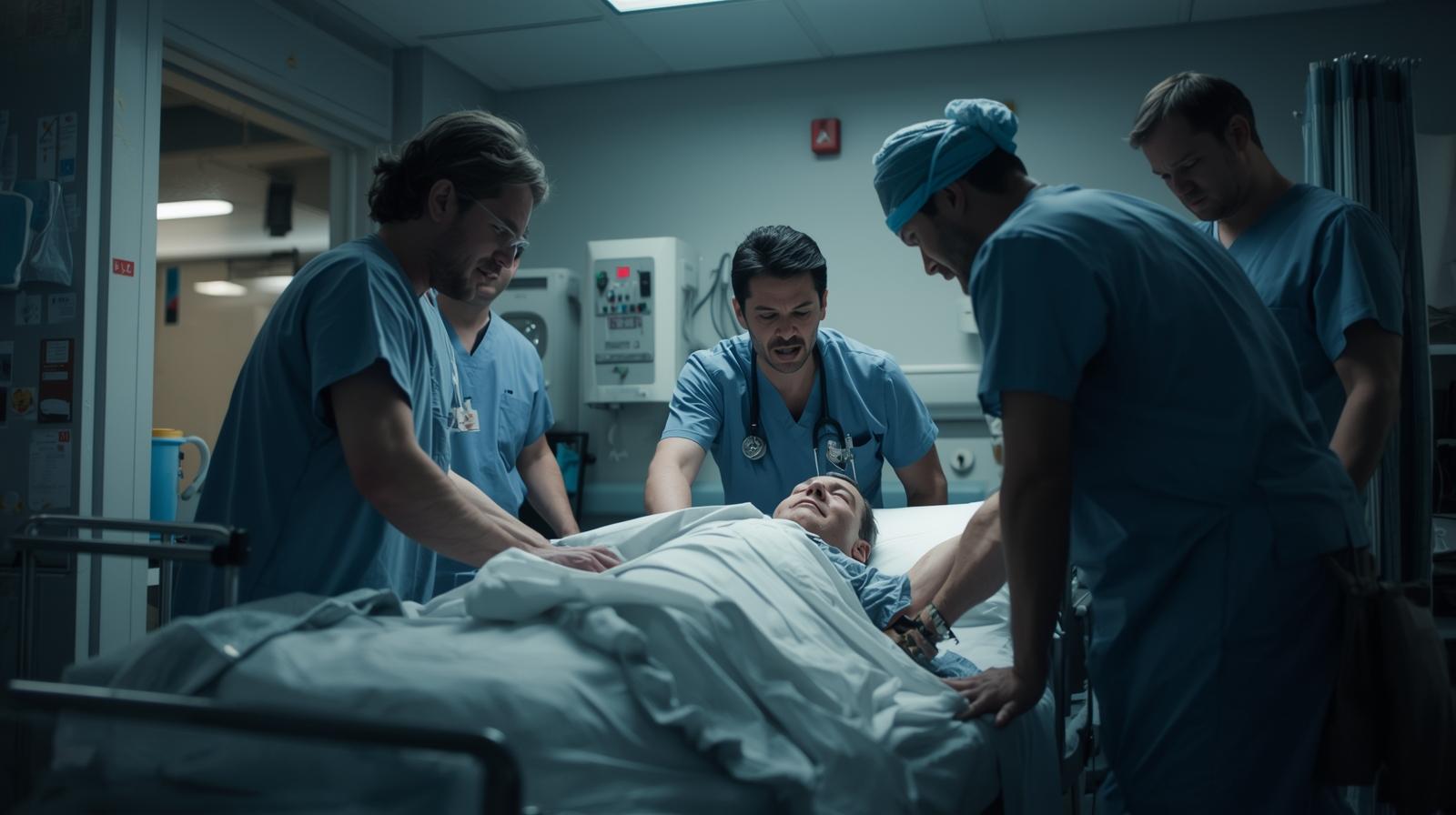
Walk into any hospital, and you’ll find a binder—or a digital dashboard—full of near-misses.
Wrong dose caught just in time.
Vitals trending down but unreported.
Something felt off… and someone finally spoke up.
But here's the truth I’ve seen over four decades:
Your near-miss log is full of clues.
Your incident reports are quietly shouting.
And most of what they're saying is this:
“We saw it coming. We didn’t feel safe enough to say it.”
Failure to Rescue Isn’t About Lazy Staff or Bad Doctors
It’s about systems.
Broken feedback loops.
Inconsistent handoffs.
A culture that rewards efficiency over reflection.
We’ve taught people to spot abnormal but not always to name it out loud. And we’ve rarely trained what happens after the noticing:
• How do you escalate?
• Who do you call?
• Will they listen?
• Will they punish?
🔍 Case Review: The Pattern Beneath the Pattern
At one hospital I consulted with, we reviewed 12 sentinel events.
In 10 of them, someone had noticed something early.
But they didn’t document it.
They didn’t speak up.
Or they tried—and got shut down.
That facility did something rare: they didn’t just rewrite policy.
They rebuilt practice.
They introduced escalation rehearsals for students and new grads.
Flattened their chain of command during rounds.
Made it normal to say “I’m concerned” and have someone respond with, “Let’s take another look.”
Within six months?
Near-misses dropped by 28%.
Not because they hired more staff.
But because they taught their staff how to interrupt silence.
If Your New Grads Freeze in Crisis—It’s Not a Hiring Issue. It’s a Training Gap.
This is something I’ve written about at length in The Clinical Judgment Gap—how we’re sending thousands of “competent” new nurses into hospitals who aren’t truly rescue-ready.
They know the Five Rights.
They can pass meds.
But in a crisis?
They hesitate.
They default to hierarchy.
They wait for permission.
The Joint Commission has cited communication failures as a root cause in over 70% of adverse events. And yet many hospitals still treat speaking up like an “if you feel comfortable” add-on, rather than a skill to be rehearsed and evaluated.
Let me be direct:
If your organization isn't teaching clinical judgment and team-based escalation from day one—you’re leaving lives at risk.
What a Rescue-Ready Culture Looks Like
It’s not just about the equipment or the protocols.
It’s the daily lived experience of the staff.
Here’s what that looks like on the ground:
✅ Pre-Shift Huddles with Red Flags
Every unit starts with a 5-minute safety scan: “What are we watching for today?”
When everyone names risk together, they’re more likely to act early.
✅ CUSS Training Across All Levels
“I’m Concerned.”
“I’m Uncomfortable.”
“I’m Scared.”
“This is a Safety issue.”
These aren’t just words—they’re a script that saves lives. They flatten hierarchy in real time.
✅ Debriefs After Every Escalation
Not just when something goes wrong.
But when something goes right, too.
If a nurse caught a subtle trend, let the team learn from it.
Reinforce early recognition as a team value—not an individual fluke.
✅ Protected Time for Simulation
This is the one I get the most resistance on—and yet it’s the most effective.
Your teams need time to practice what a deteriorating patient looks like and feels like—before it happens for real.
Simulation isn’t extra. It’s essential.
It’s how we move from checklist safety to embodied safety.
Are You Just Hoping the Alarms Catch It?
Here’s the harder truth:
Alarms aren’t enough.
Documentation isn’t enough.
Even “good intentions” aren’t enough.
In a rescue-ready culture, you don’t wait for the monitor to drop.
You empower the nurse, the tech, the student—to raise the flag the moment their gut says something’s off.
And when they do?
You don’t roll your eyes.
You don’t punish.
You thank them.
Because early recognition only works if early response is possible.
🧭 Start Here
If you’re a leader—clinical or executive—ask yourself and your team:
• Do our newest hires know how to escalate, not just that they should?
• Are we rehearsing team communication—not just relying on policy binders?
• Do we normalize “I’m concerned” as a strength, not a red flag?
• Are we measuring silence as a metric of risk?
💬 Let’s Build Safer Care—From the Ground Up
Training programs should create real readiness.
Leadership should reward early voice, not just early intervention.
And hospitals should stop waiting for the near-miss to become the harm event.
📊 Want help auditing your team’s escalation culture and build?
📚 Contact us at: https://lifebeatsolutions.com/
Or send me a message here on LinkedIn.
Why Near-Misses Still Happen—and What to Do About It
Date published: January 15, 2026
Walk into any hospital, and you’ll find a binder—or a digital dashboard—full of near-misses.
Wrong dose caught just in time.
Vitals trending down but unreported.
Something felt off… and someone finally spoke up.
But here's the truth I’ve seen over four decades:
Your near-miss log is full of clues.
Your incident reports are quietly shouting.
And most of what they're saying is this:
“We saw it coming. We didn’t feel safe enough to say it.”
Failure to Rescue Isn’t About Lazy Staff or Bad Doctors
It’s about systems.
Broken feedback loops.
Inconsistent handoffs.
A culture that rewards efficiency over reflection.
We’ve taught people to spot abnormal but not always to name it out loud. And we’ve rarely trained what happens after the noticing:
• How do you escalate?
• Who do you call?
• Will they listen?
• Will they punish?
🔍 Case Review: The Pattern Beneath the Pattern
At one hospital I consulted with, we reviewed 12 sentinel events.
In 10 of them, someone had noticed something early.
But they didn’t document it.
They didn’t speak up.
Or they tried—and got shut down.
That facility did something rare: they didn’t just rewrite policy.
They rebuilt practice.
They introduced escalation rehearsals for students and new grads.
Flattened their chain of command during rounds.
Made it normal to say “I’m concerned” and have someone respond with, “Let’s take another look.”
Within six months?
Near-misses dropped by 28%.
Not because they hired more staff.
But because they taught their staff how to interrupt silence.
If Your New Grads Freeze in Crisis—It’s Not a Hiring Issue. It’s a Training Gap.
This is something I’ve written about at length in The Clinical Judgment Gap—how we’re sending thousands of “competent” new nurses into hospitals who aren’t truly rescue-ready.
They know the Five Rights.
They can pass meds.
But in a crisis?
They hesitate.
They default to hierarchy.
They wait for permission.
The Joint Commission has cited communication failures as a root cause in over 70% of adverse events. And yet many hospitals still treat speaking up like an “if you feel comfortable” add-on, rather than a skill to be rehearsed and evaluated.
Let me be direct:
If your organization isn't teaching clinical judgment and team-based escalation from day one—you’re leaving lives at risk.
What a Rescue-Ready Culture Looks Like
It’s not just about the equipment or the protocols.
It’s the daily lived experience of the staff.
Here’s what that looks like on the ground:
✅ Pre-Shift Huddles with Red Flags
Every unit starts with a 5-minute safety scan: “What are we watching for today?”
When everyone names risk together, they’re more likely to act early.
✅ CUSS Training Across All Levels
“I’m Concerned.”
“I’m Uncomfortable.”
“I’m Scared.”
“This is a Safety issue.”
These aren’t just words—they’re a script that saves lives. They flatten hierarchy in real time.
✅ Debriefs After Every Escalation
Not just when something goes wrong.
But when something goes right, too.
If a nurse caught a subtle trend, let the team learn from it.
Reinforce early recognition as a team value—not an individual fluke.
✅ Protected Time for Simulation
This is the one I get the most resistance on—and yet it’s the most effective.
Your teams need time to practice what a deteriorating patient looks like and feels like—before it happens for real.
Simulation isn’t extra. It’s essential.
It’s how we move from checklist safety to embodied safety.
Are You Just Hoping the Alarms Catch It?
Here’s the harder truth:
Alarms aren’t enough.
Documentation isn’t enough.
Even “good intentions” aren’t enough.
In a rescue-ready culture, you don’t wait for the monitor to drop.
You empower the nurse, the tech, the student—to raise the flag the moment their gut says something’s off.
And when they do?
You don’t roll your eyes.
You don’t punish.
You thank them.
Because early recognition only works if early response is possible.
🧭 Start Here
If you’re a leader—clinical or executive—ask yourself and your team:
• Do our newest hires know how to escalate, not just that they should?
• Are we rehearsing team communication—not just relying on policy binders?
• Do we normalize “I’m concerned” as a strength, not a red flag?
• Are we measuring silence as a metric of risk?
💬 Let’s Build Safer Care—From the Ground Up
Training programs should create real readiness.
Leadership should reward early voice, not just early intervention.
And hospitals should stop waiting for the near-miss to become the harm event.
📊 Want help auditing your team’s escalation culture and build?
📚 Contact us at: https://lifebeatsolutions.com/
Or send me a message here on LinkedIn.
Monitoring and Reporting
Collecting and analyzing data on safety incidents to identify trends and areas for improvement.
Establishing Standards
Developing and enforcing safety protocols to ensure consistency and quality across healthcare organizations.
Promoting Education
Providing training and resources to healthcare professionals to enhance their knowledge and skills in patient safety.
Encouraging Transparency
Creating a culture where healthcare workers feel empowered to report errors and near-misses without fear of retribution.

Driving Innovation
Leveraging technology and research to implement cutting-edge solutions for patient safety challenges.
FOLLOW US


Copyright 2025. All rights reserved
FOLLOW US
FOLLOW US